Cusco · Northeastern approach
Puka Pukara
Doorways and terraces overlooking the approach to Cusco
Puka Pukara brings the surrounding terrain into almost every view. Its enclosures and terraces occupy a projecting hillside, where looking outward is as important as studying the walls themselves.
Explore 10 photographs ↓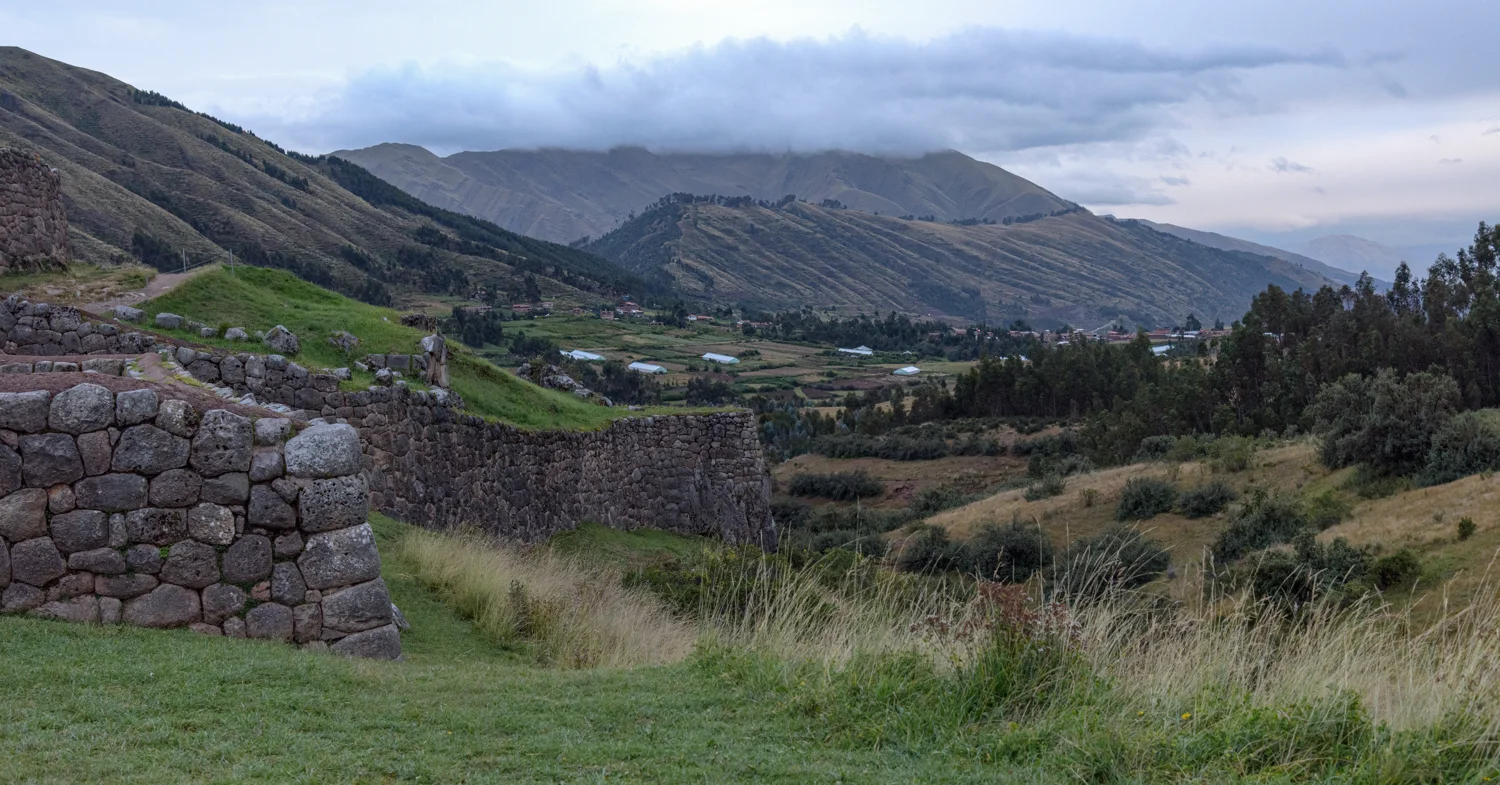
The red fortress — and the limits of a name
The national tourism inventory translates Puka Pukara as red fortress. It describes a plaza, rooms, terraces, water features and a double-jamb entrance. The inventory interprets its commanding position as suitable for oversight and administrative control, including the approach toward Cusco from Antisuyo. This is a more useful starting point than assuming that every surviving enclosure was exclusively military. [1]
Understanding its neighbors
COSITUC links Puka Pukara with nearby Tambomachay and describes both control functions and a stopping place for an Inca entourage. Such accounts explain why the site is discussed as part of a network of places rather than a lone hilltop building. The photographs here do not identify Tambomachay, so that neighboring site is not given a photographic gallery in this guide. [2]
Why this small site rewards a closer look
The doorway provides a strong visual anchor: its stepped frame is more formal than many of the surrounding wall surfaces. Elsewhere, openings draw a line of sight through the ruins toward the hills. Move between the wider frames and the close studies to see how an enclosure can feel contained from one angle and open to the valley from another. The site’s relationship to its surroundings becomes easier to read when the distant terrain remains in the photograph.
Read the surviving structure carefully
The photographs show walls, thresholds and terraces rather than a complete original building. A present-day opening does not tell us by itself whether a room was used for sleeping, storage or ceremony. Notice what is visibly preserved and keep those observations separate from reconstructions of everyday use. That makes the site more interesting, not less: each surviving piece offers a specific question to take into the historical sources.
Look more closely
- Compare the double-jamb entrance with smaller openings in the enclosing walls.
- Look through a doorway toward the next enclosure and the mountain beyond it.
- Use the broad valley views to understand the site’s elevated position.
Puka Pukara in photographs
Select a photograph to open its full frame.
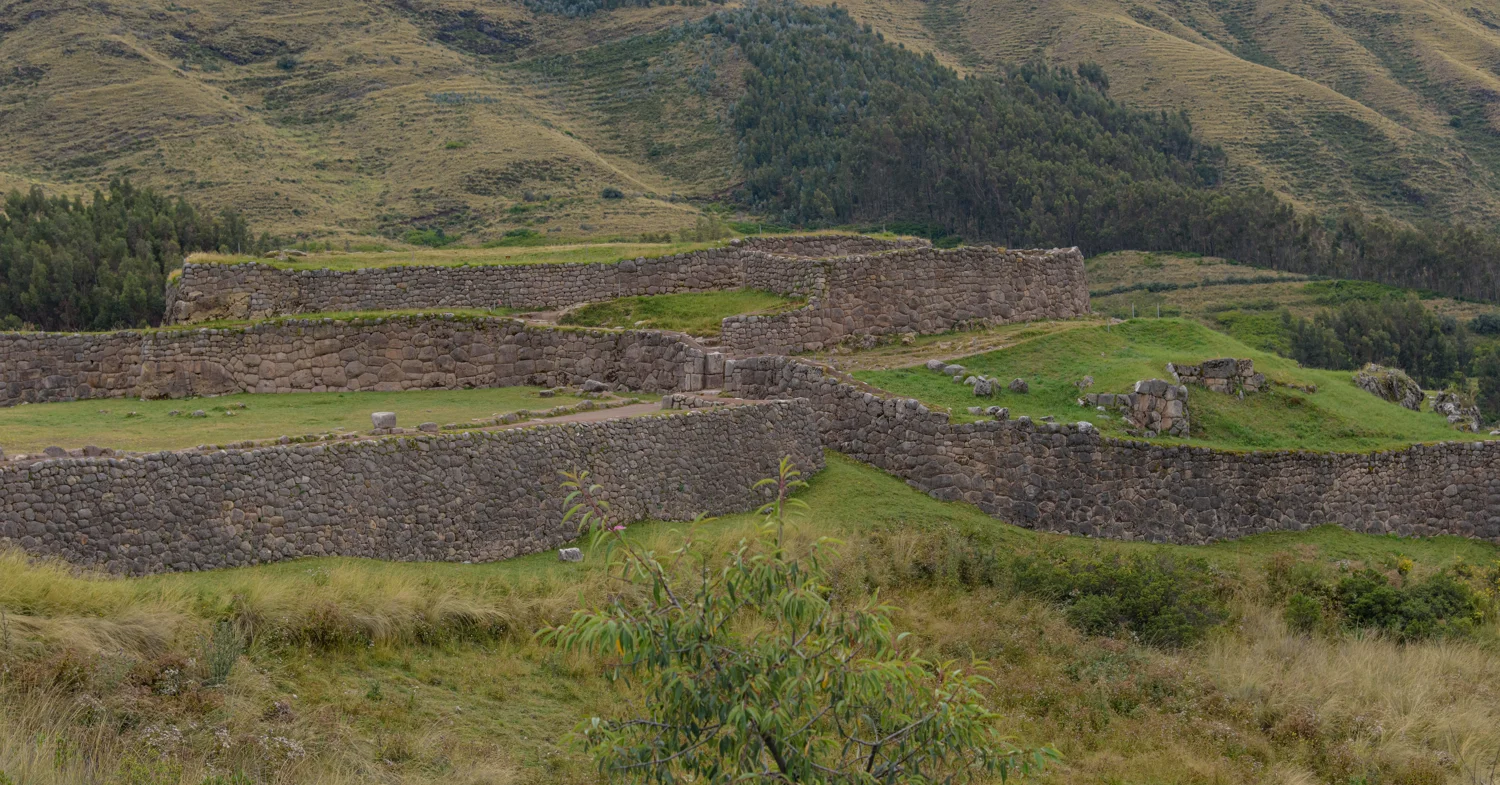
Photograph by Brandon Wichmann
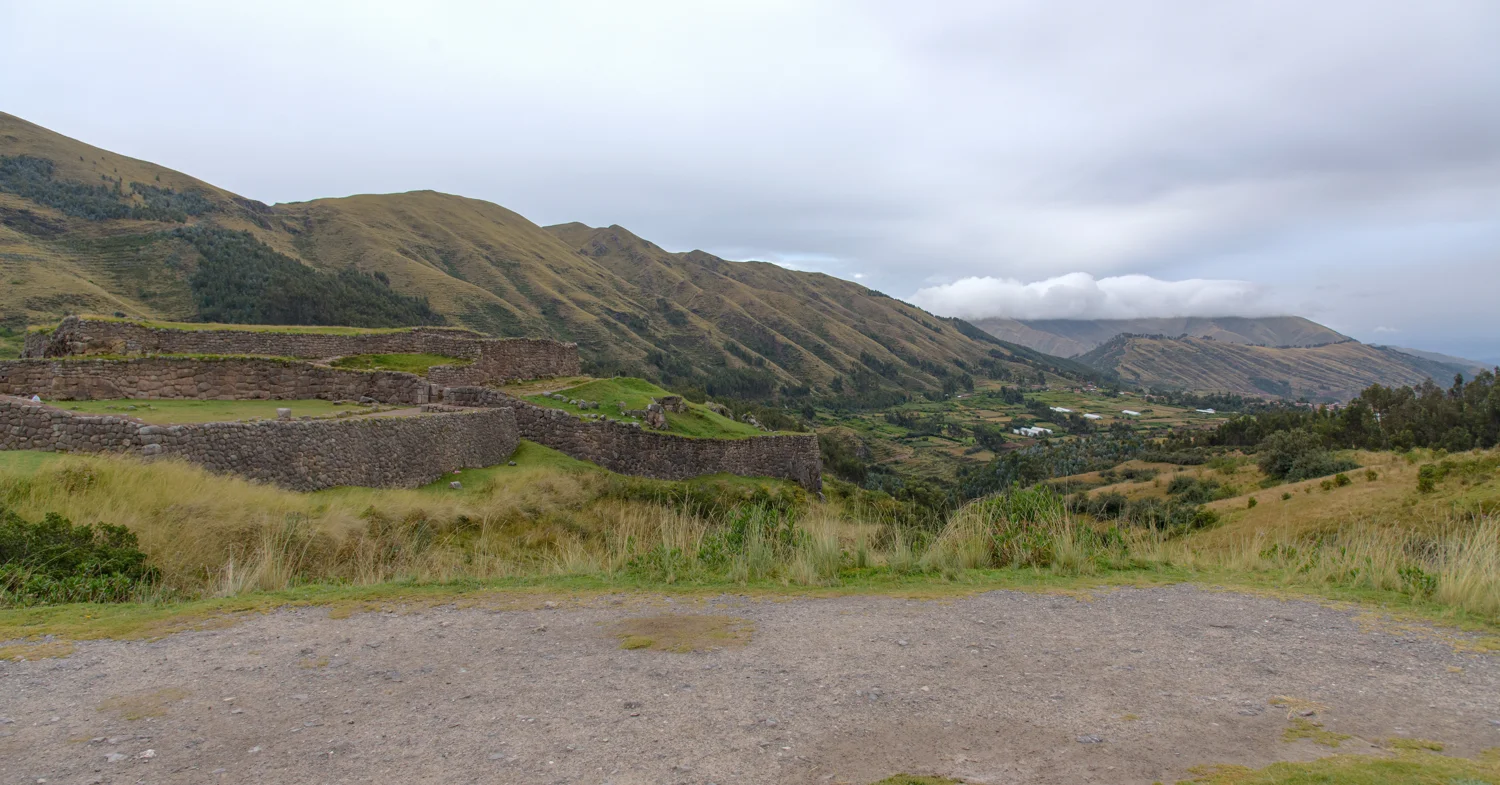
Photograph by Brandon Wichmann
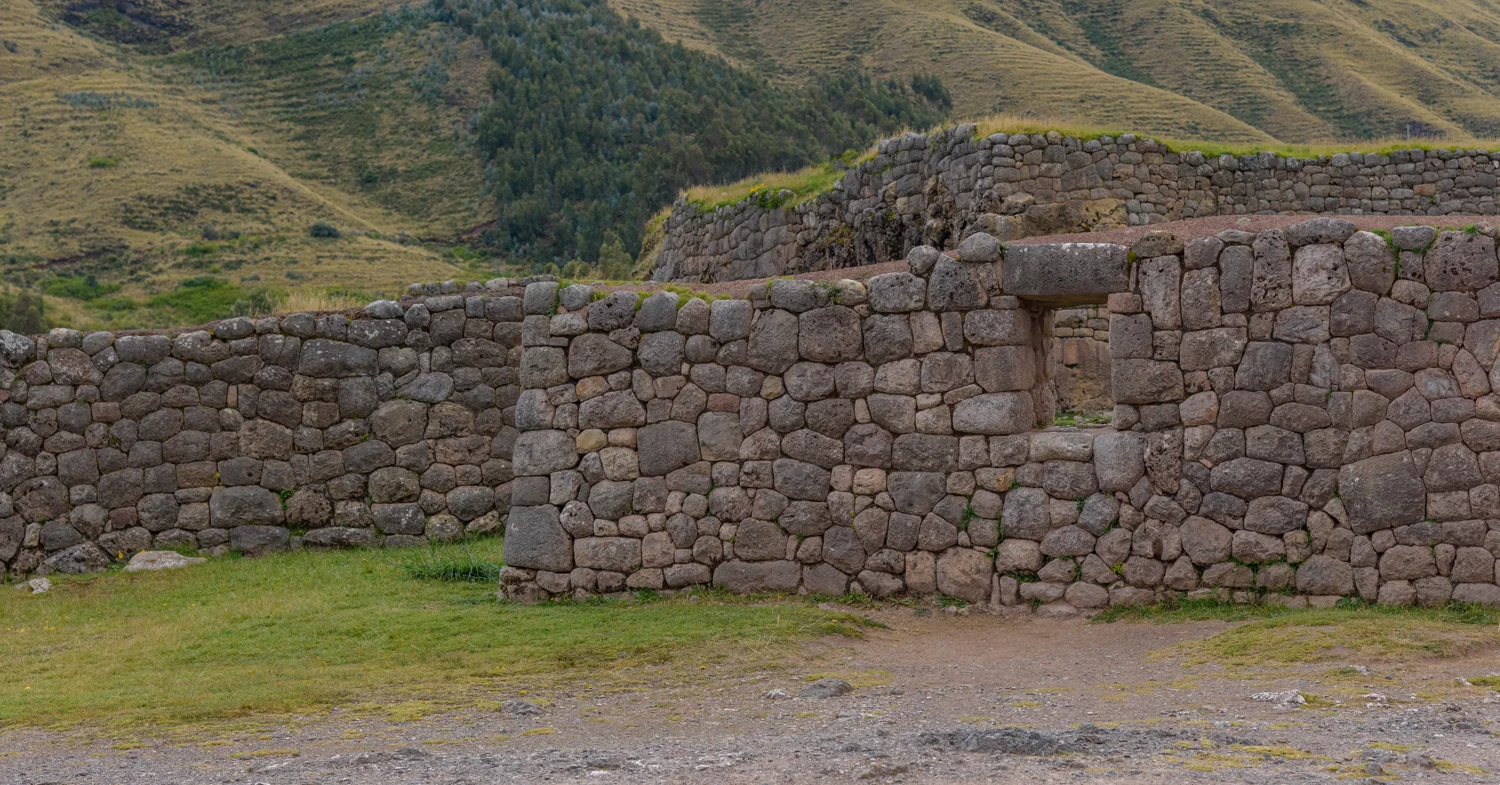
Photograph by Brandon Wichmann
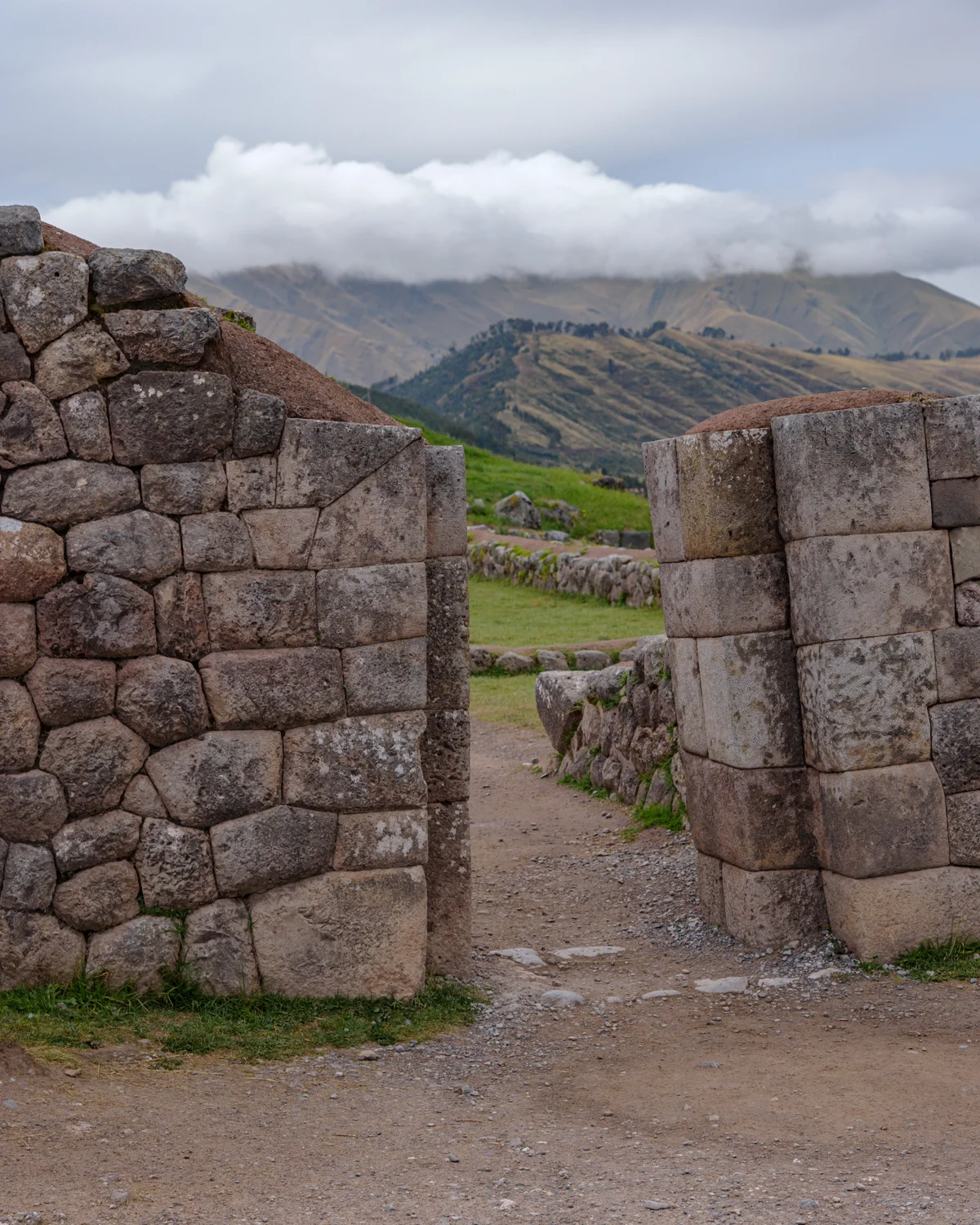
Photograph by Brandon Wichmann
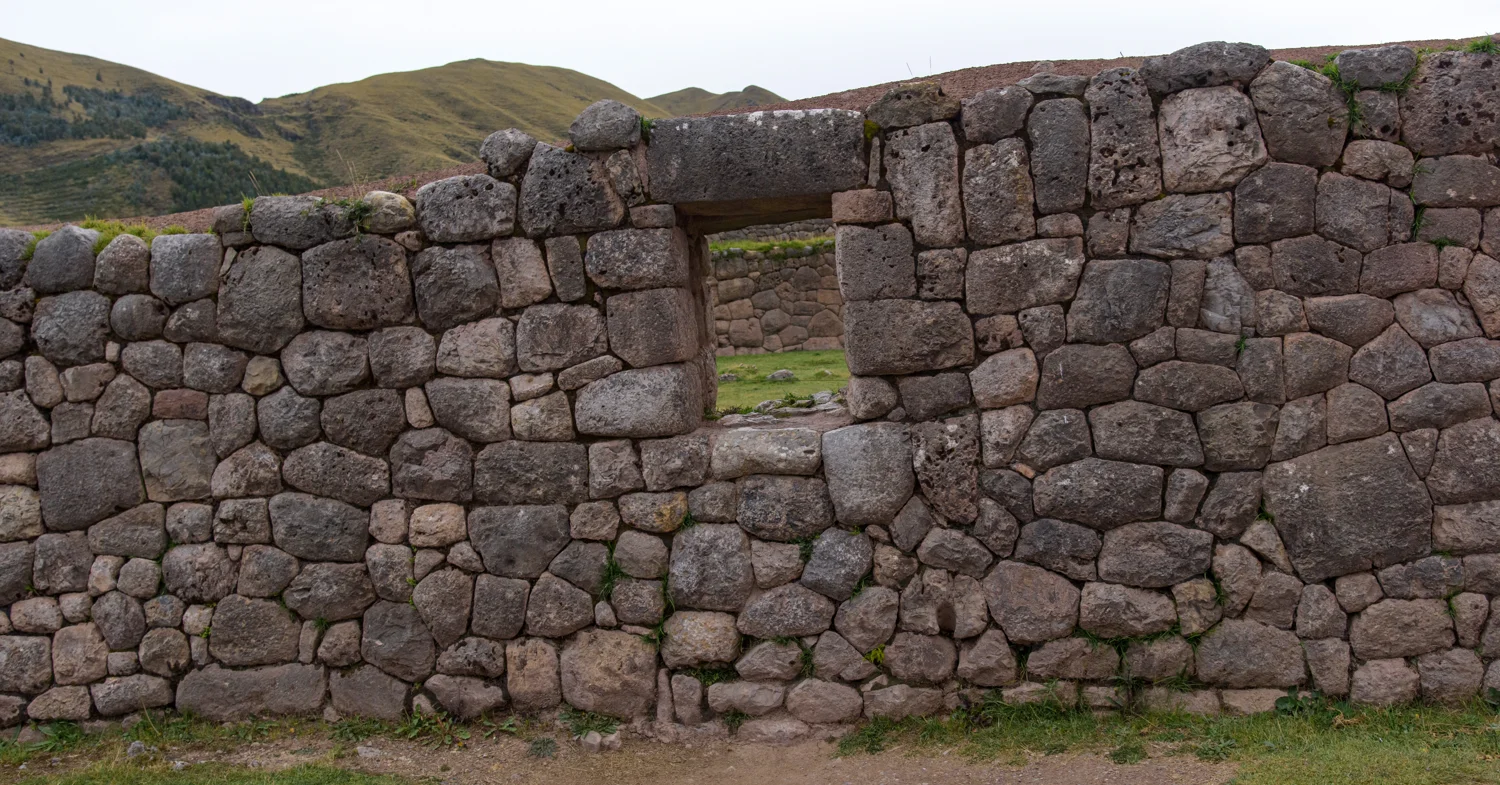
Photograph by Brandon Wichmann
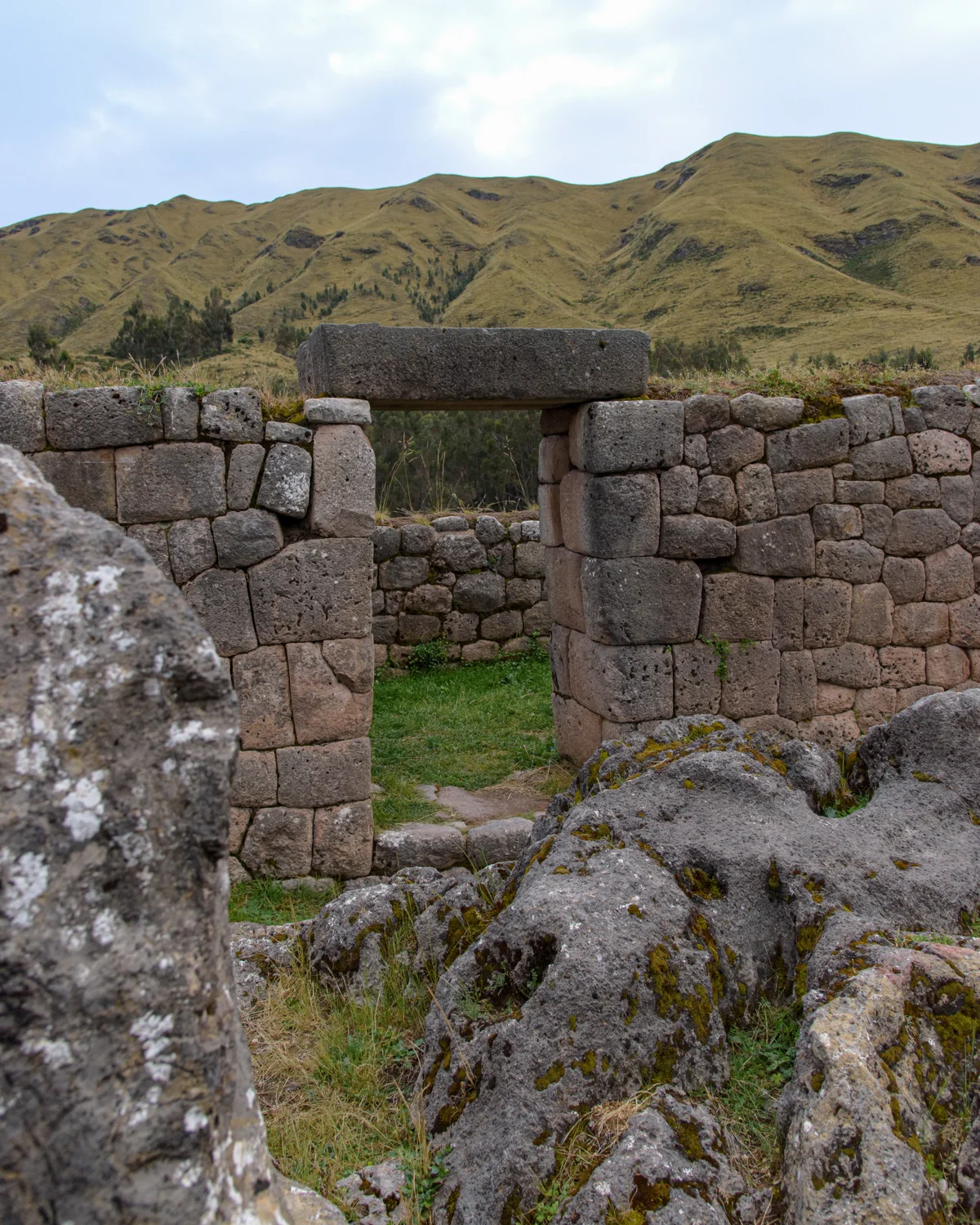
Photograph by Brandon Wichmann
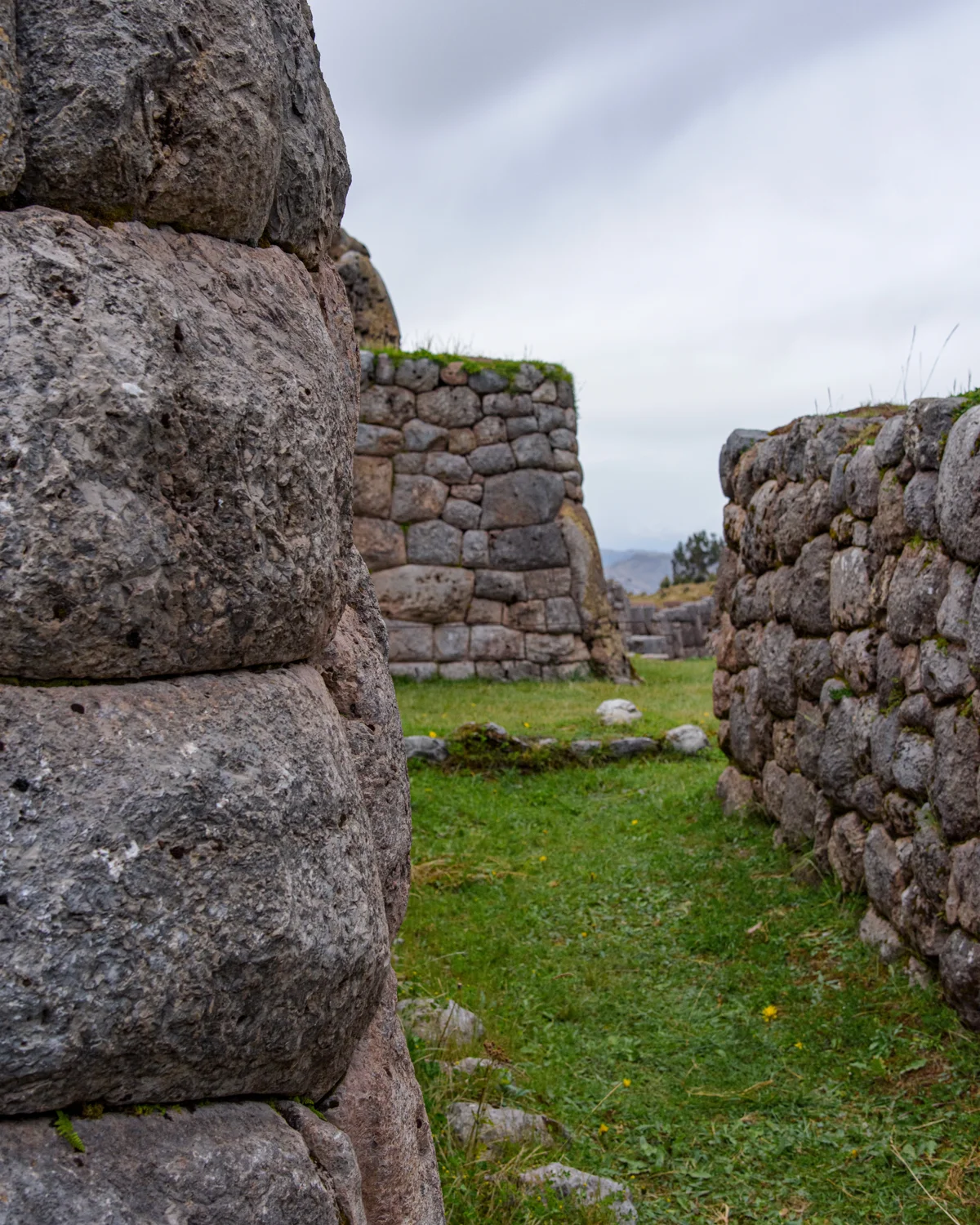
Photograph by Brandon Wichmann
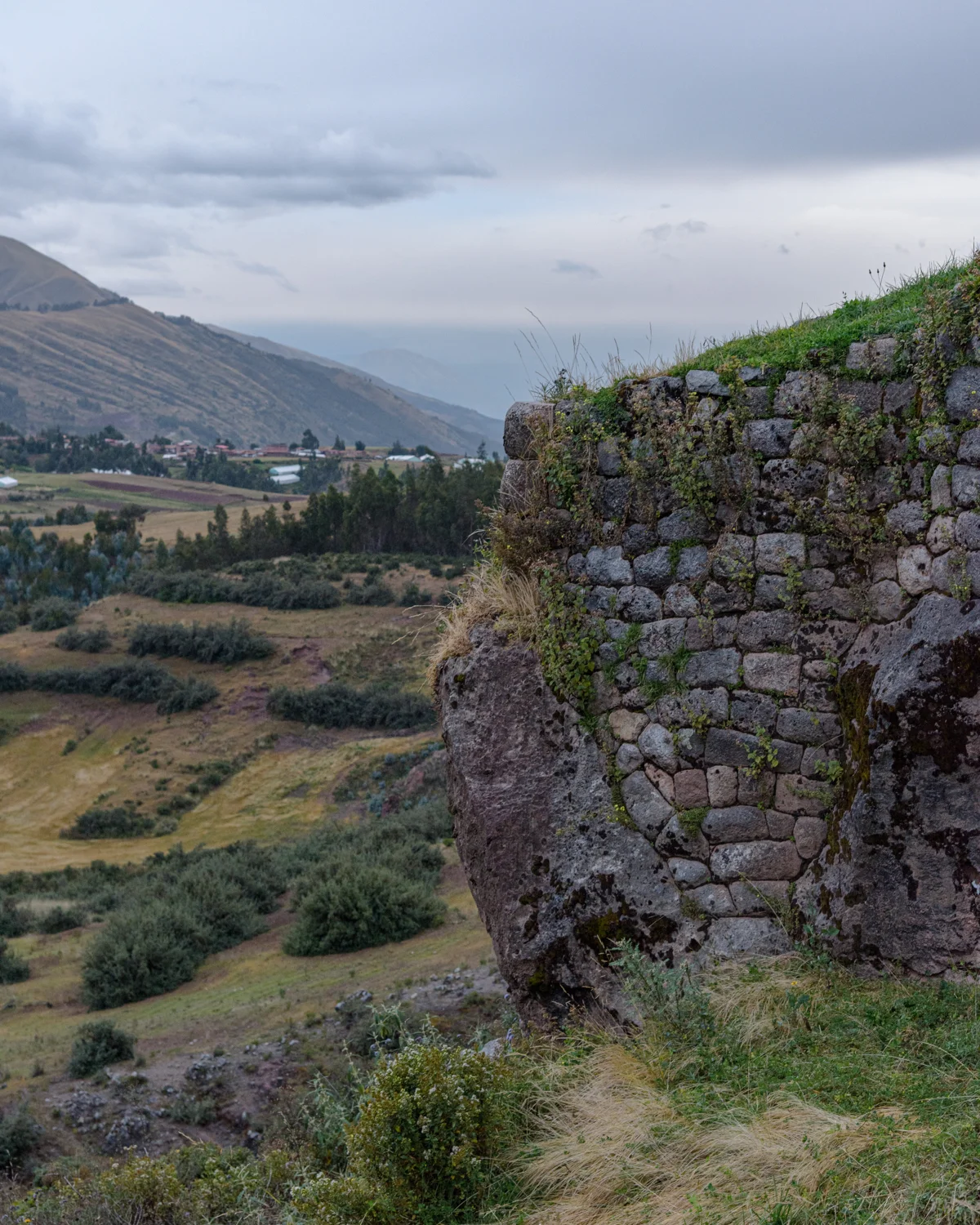
Photograph by Brandon Wichmann
Photograph by Brandon Wichmann
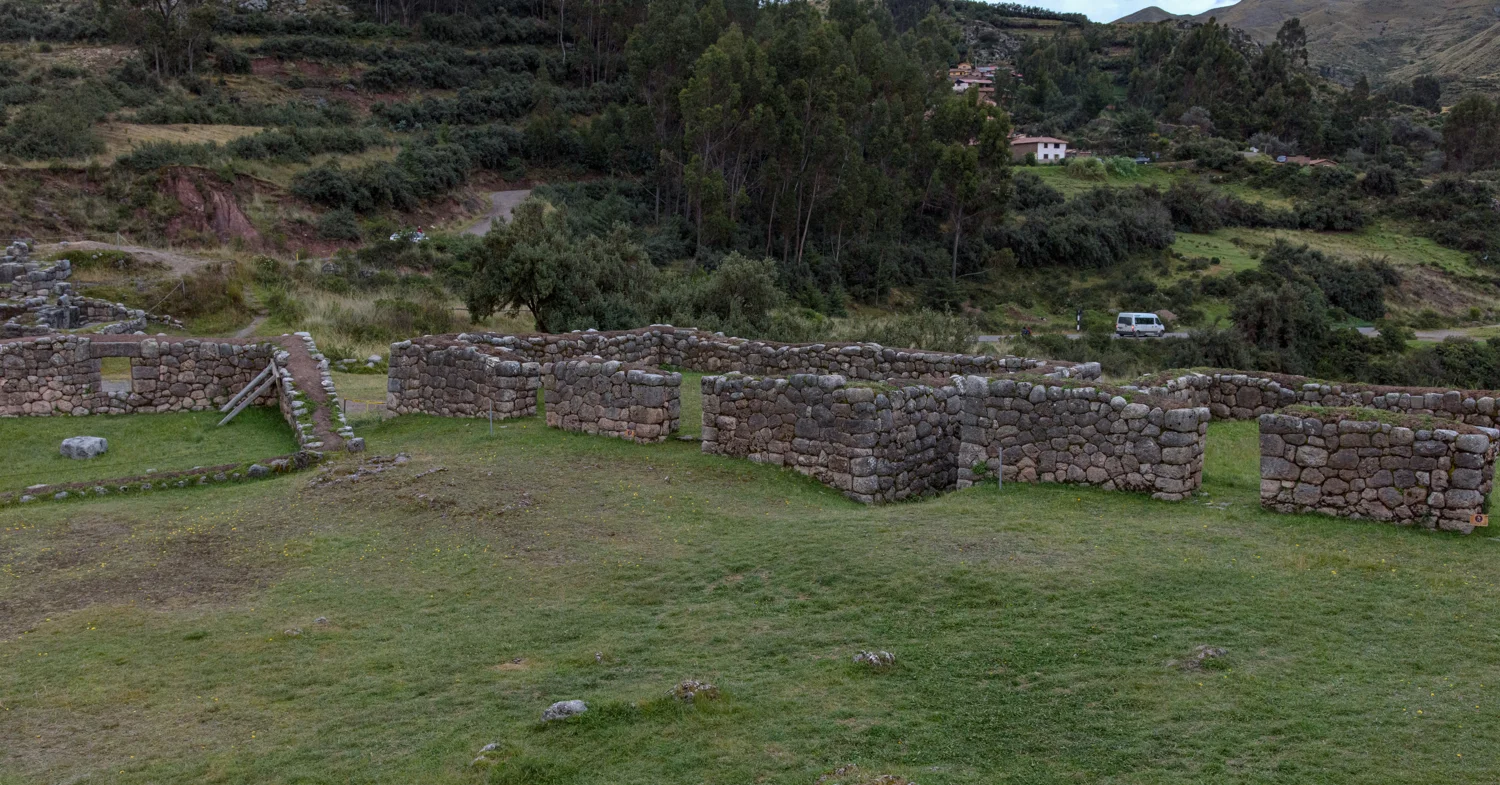
Photograph by Brandon Wichmann
Sources & further reading
Research supports the historical context; observations of the photographs are my own. Interpretations are distinguished from visible features.