Cusco · Northern heights
Sacsayhuamán
Monumental stonework above the Inca capital
Sacsayhuamán is best known for immense fitted blocks and zigzag walls. Its significance reaches beyond those walls into the religious landscape, water systems and long history of the hills above Cusco.
Explore 18 photographs ↓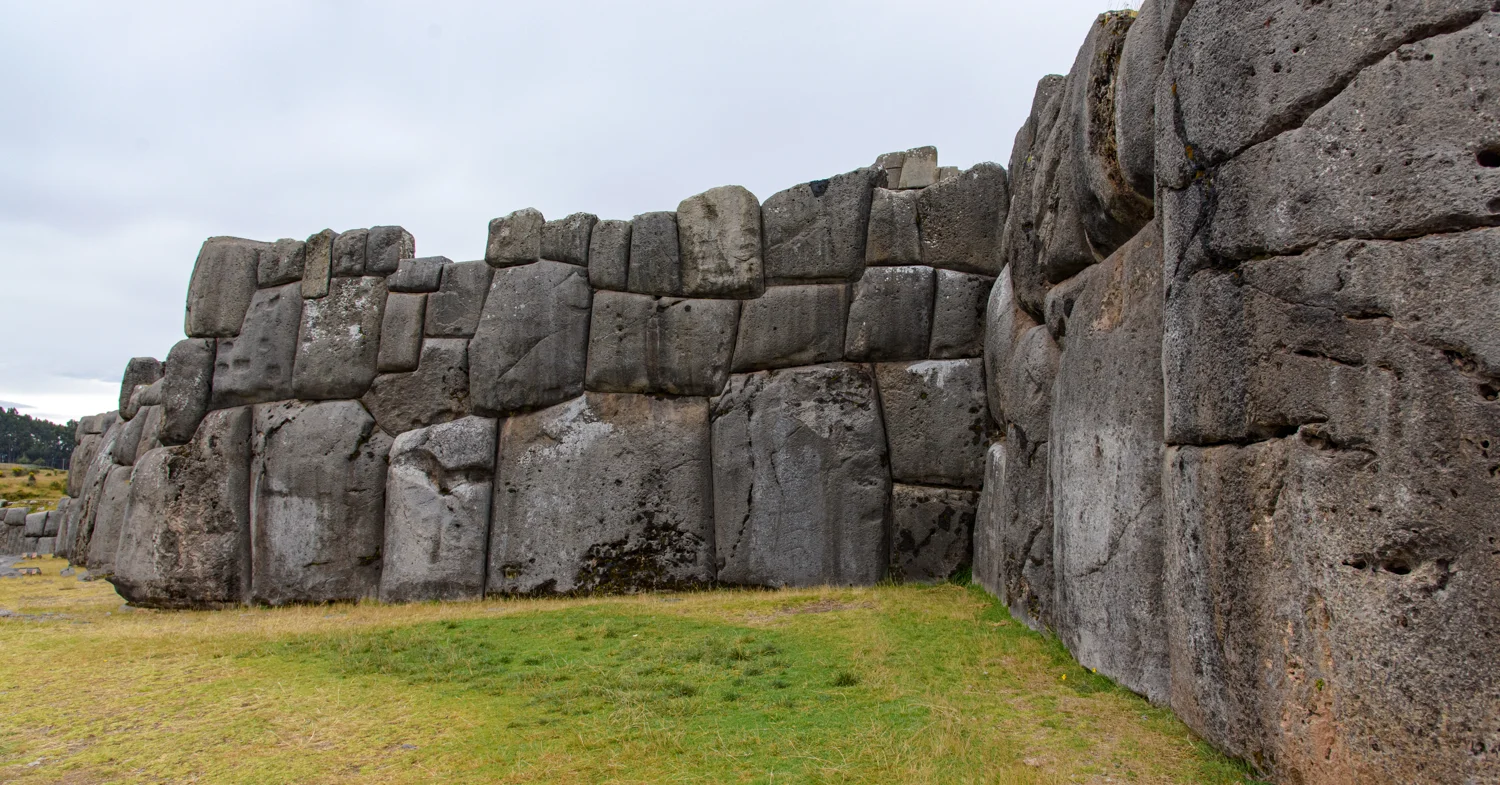
A sacred place as well as a commanding position
Cusco’s cultural authority describes Saqsaywaman as the House of the Sun of Hanan Qosqo, associating its Inca building program with Pachakuteq and his successors. Calling it only a fortress misses this religious dimension. Its monumental precinct belonged to the wider organization of Cusco, where authority, ceremony and place were closely connected. Saqsaywaman and Sacsayhuamán are spelling variants of the same name. [1]
A landscape older than its famous walls
The hill was not an empty stage when the best-known Inca architecture appeared. The cultural authority’s September 2024 report describes investigations intended to establish construction sequences in Muyuqmarka, Cruzmoqo and the Baluartes. Early findings at Cruzmoqo support pre-Inca occupation, including Killke presence. That does not date every visible wall to the same period: occupation, rebuilding and the surviving monumental fabric are different questions. [2]
Why the whole park matters
The archaeological park contains many sites beyond the monumental walls. The cultural authority also emphasizes water capture and distribution, channels and ceremonial fountains in the surrounding landscape. This broader view connects Sacsayhuamán with places such as Q’enqo and helps explain why a visit focused only on the largest stones can miss much of the site’s meaning. [3]
Reading scale in the stonework
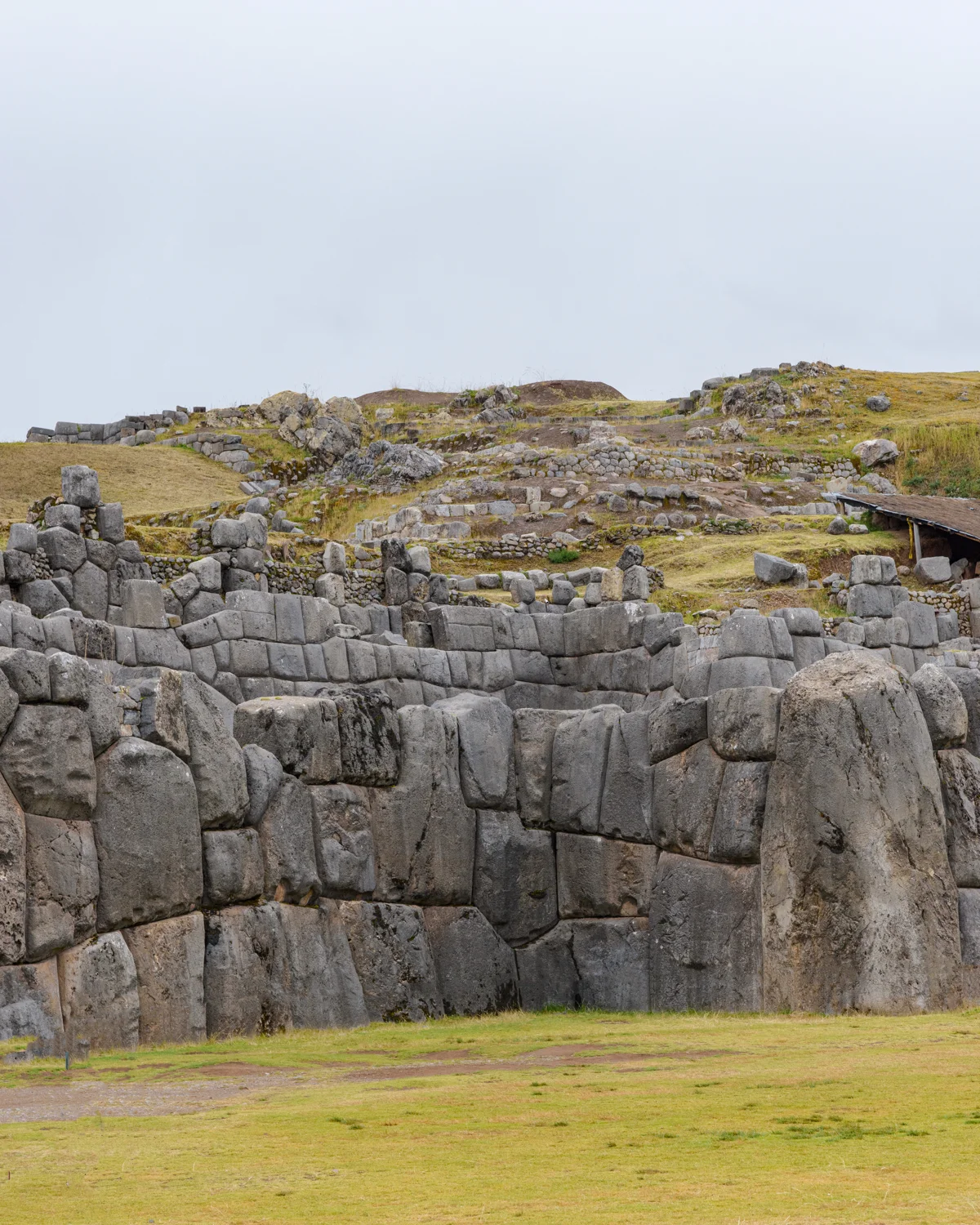
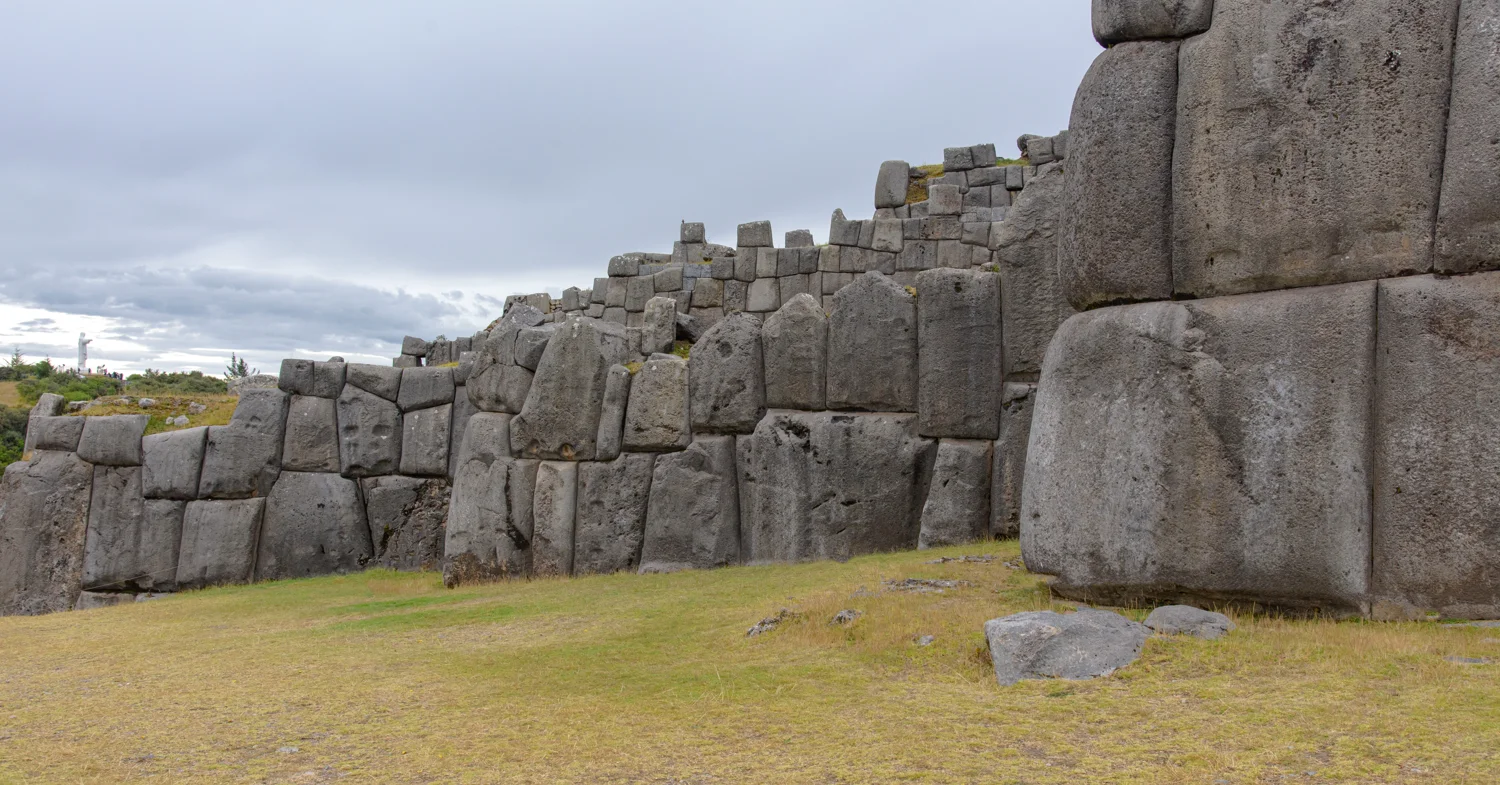
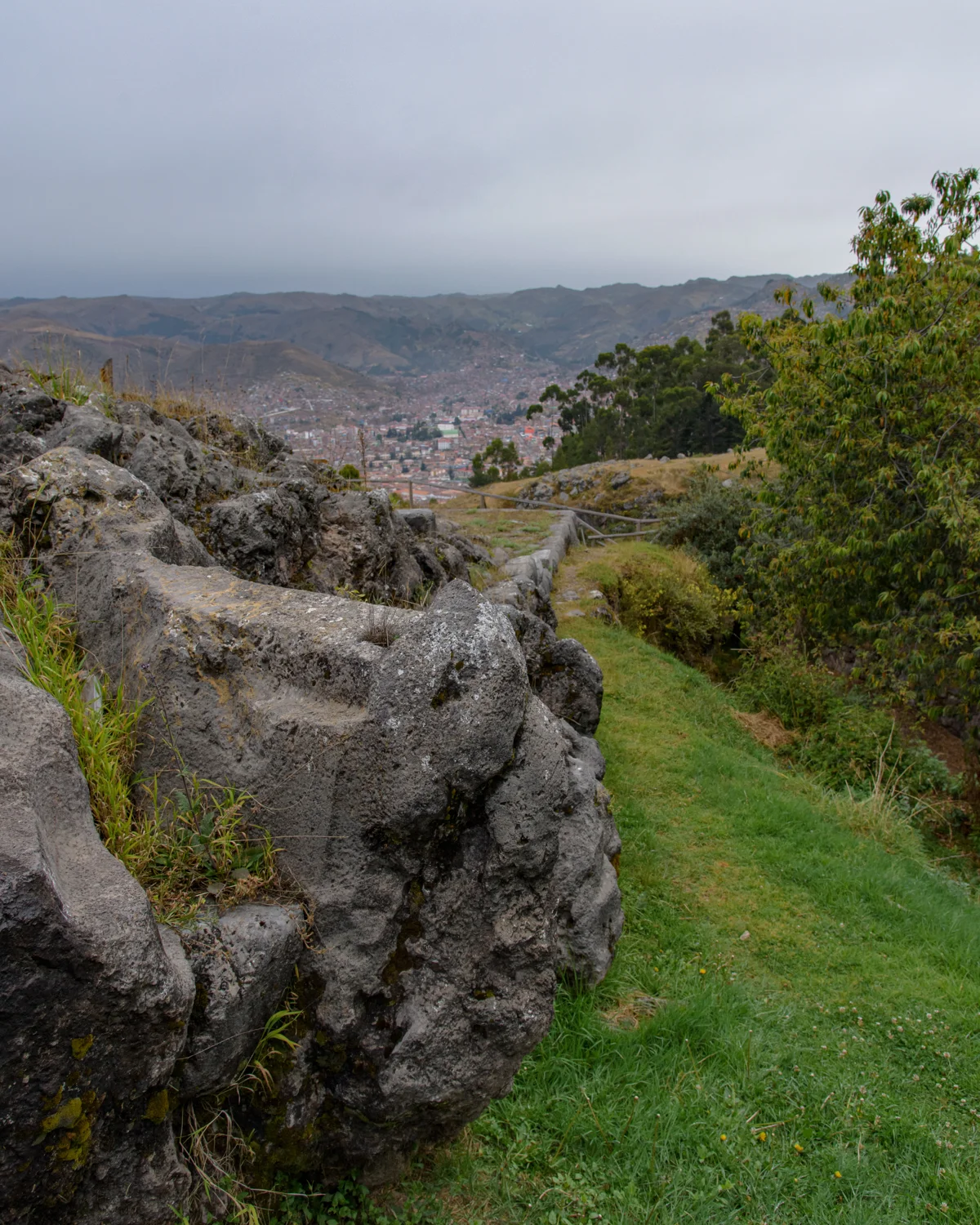
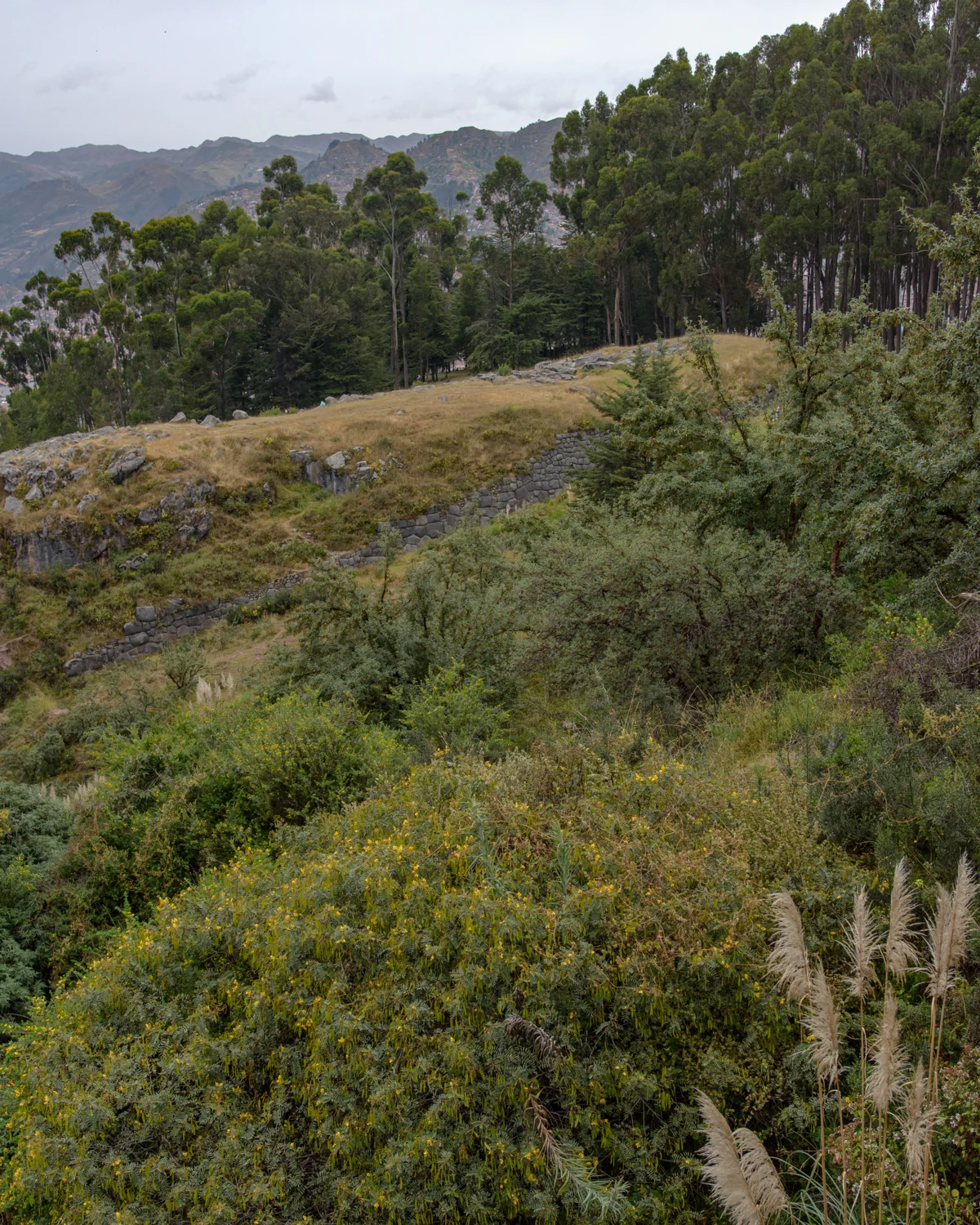
In the photographs, the close wall views turn each joint into a subject. Step back and those individual blocks become long, changing faces across the slope. Compare them with the lower terraces and exposed rock: the visual experience shifts from tightly fitted masonry to the hillside itself. The narrow passage and curved terrace studies are presented as features of the photographed complex, without assigning an unverified name or ritual function to each detail.
Look more closely
- Follow a wall corner and notice how its blocks meet in more than one plane.
- Compare the monumental masonry with smaller terraces elsewhere in the sequence.
- Look back toward Cusco to place the precinct above the city rather than treating it as an isolated ruin.
Sacsayhuamán in photographs
Select a photograph to open its full frame.
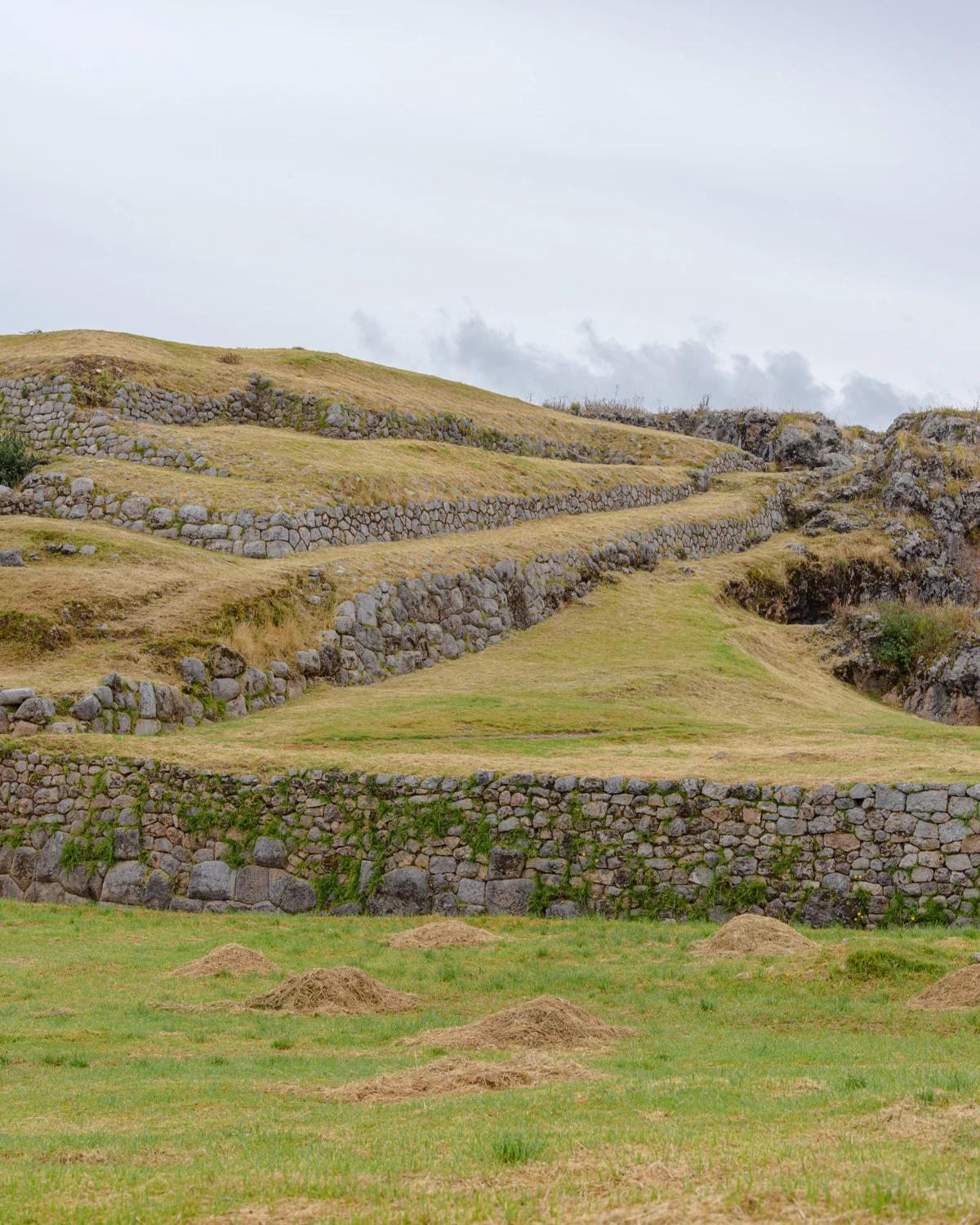
Photograph by Brandon Wichmann
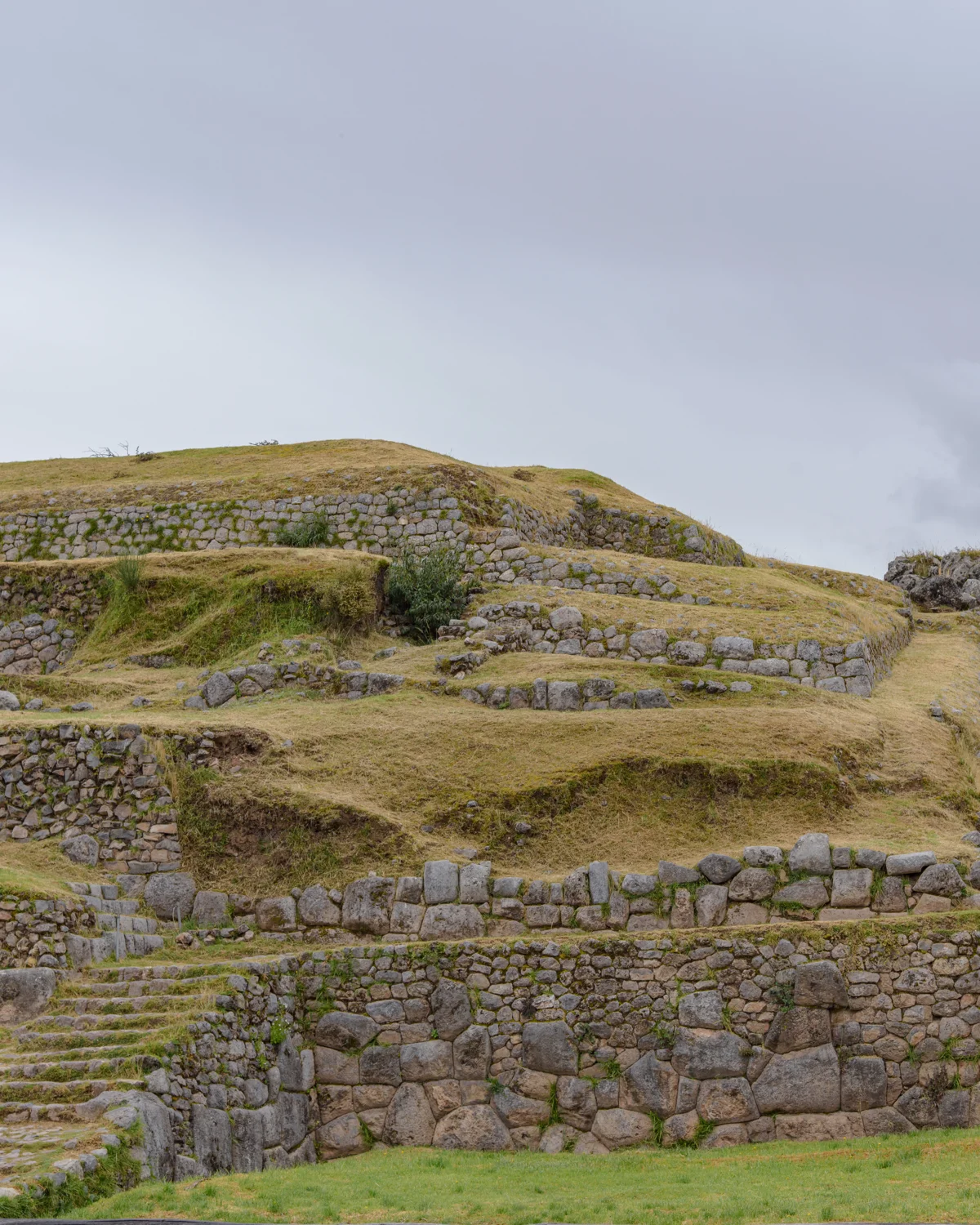
Photograph by Brandon Wichmann
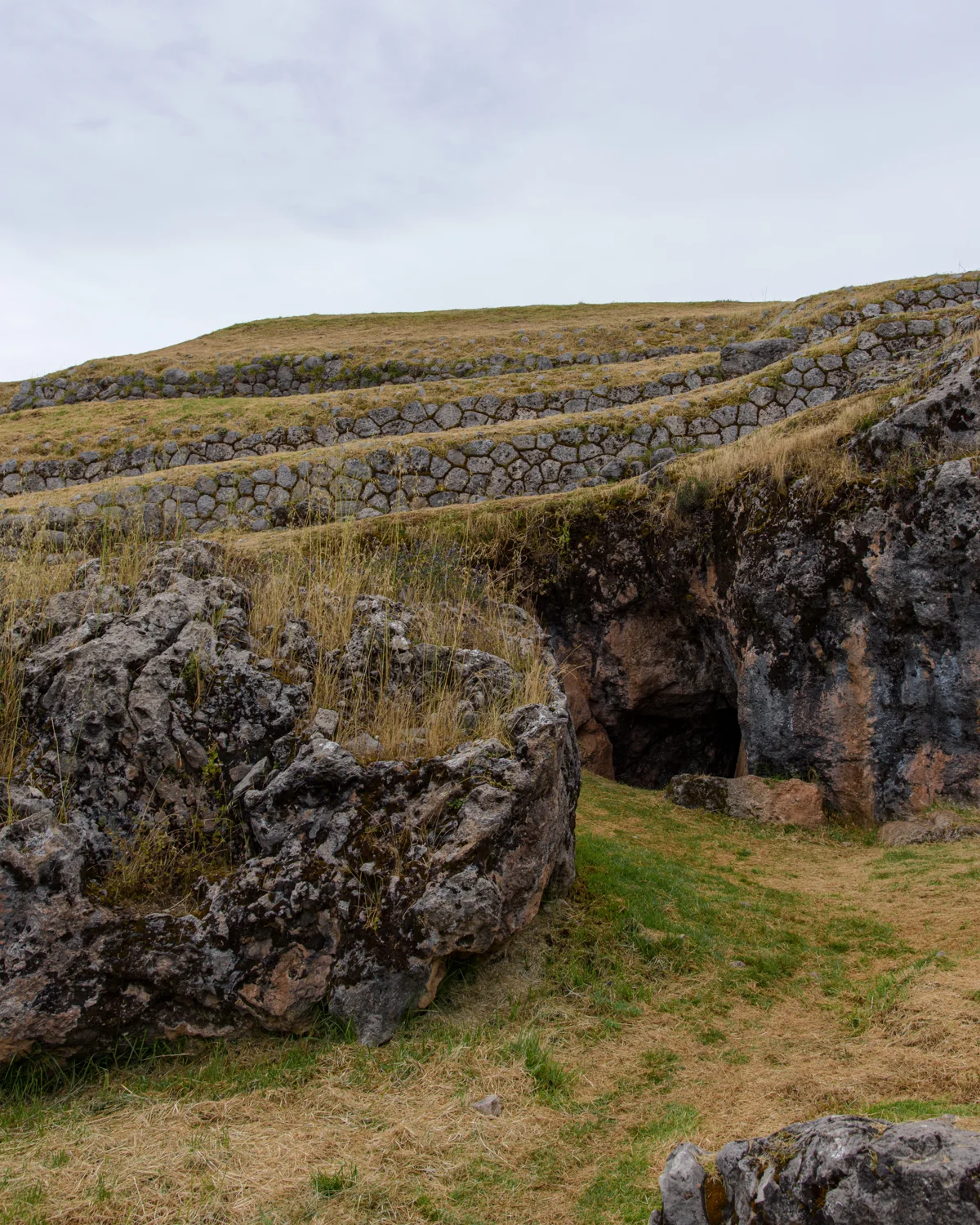
Photograph by Brandon Wichmann
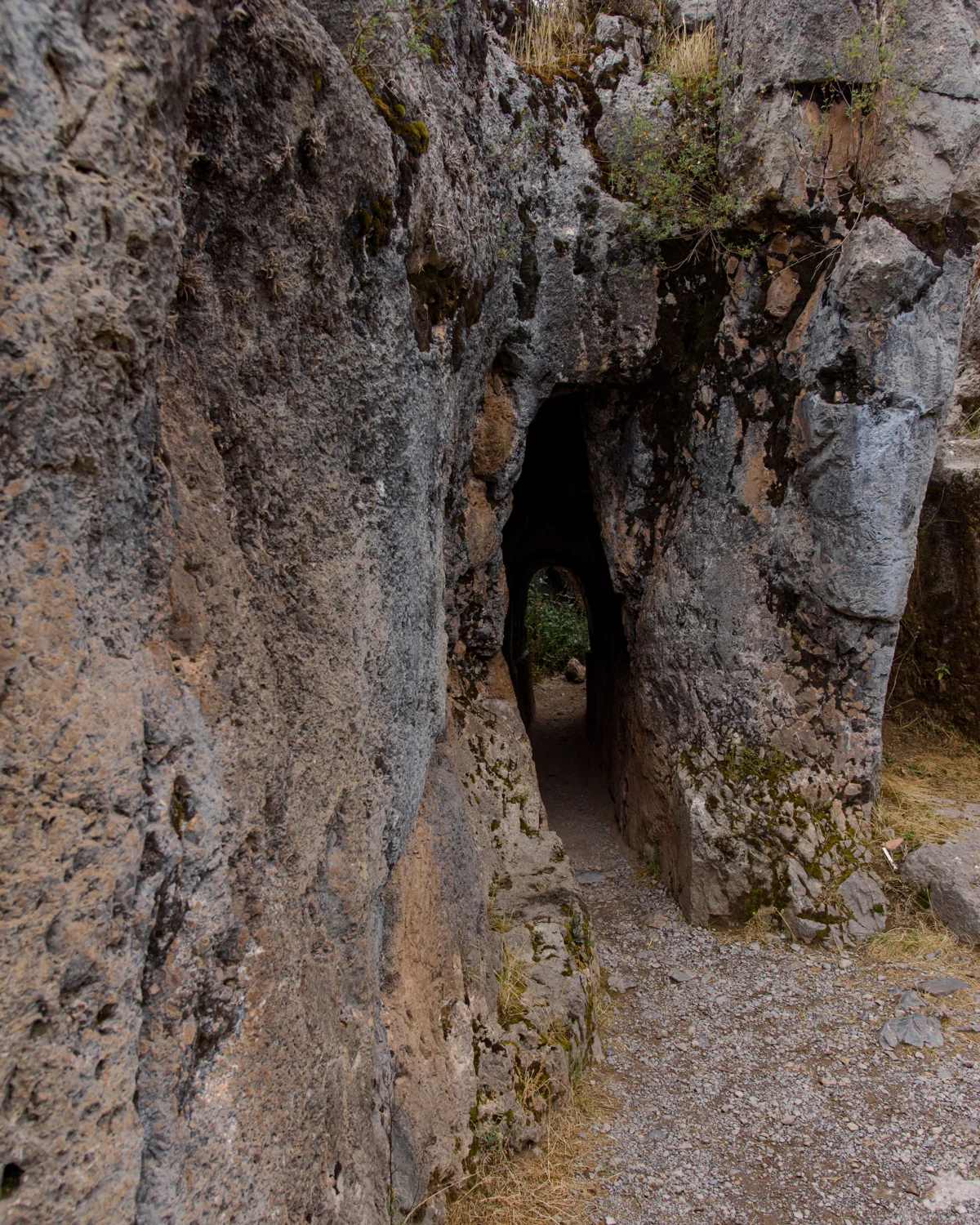
Photograph by Brandon Wichmann
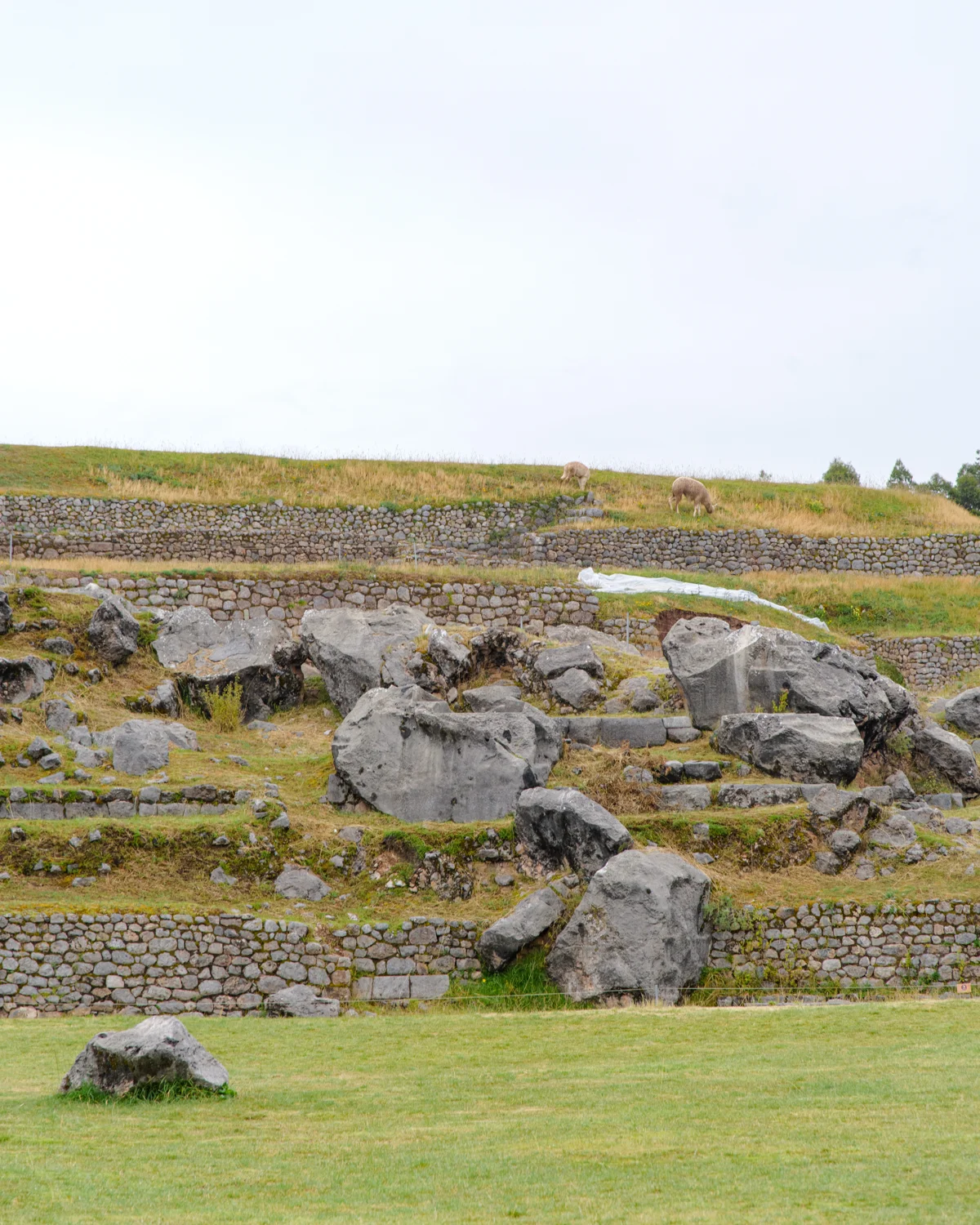
Photograph by Brandon Wichmann
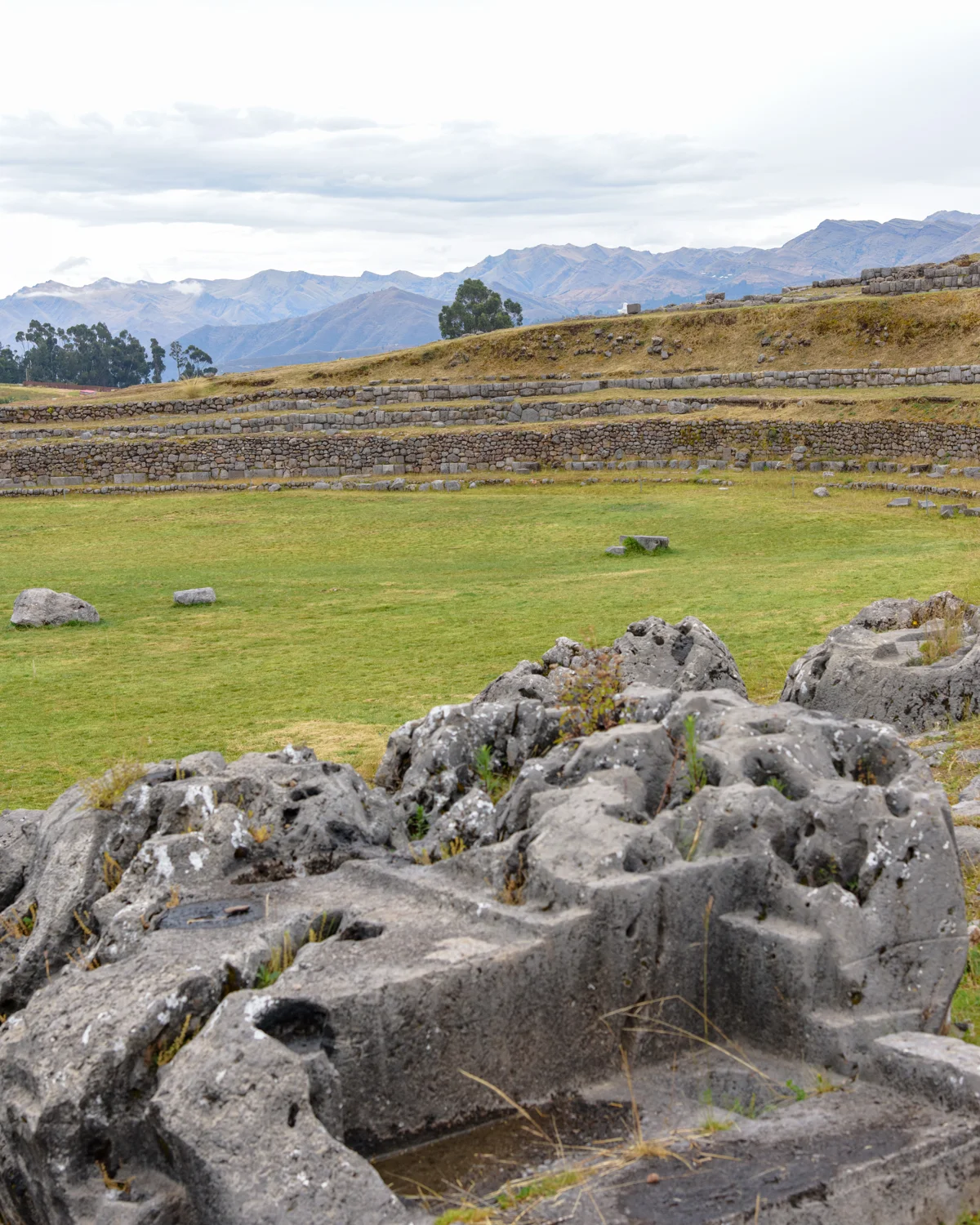
Photograph by Brandon Wichmann
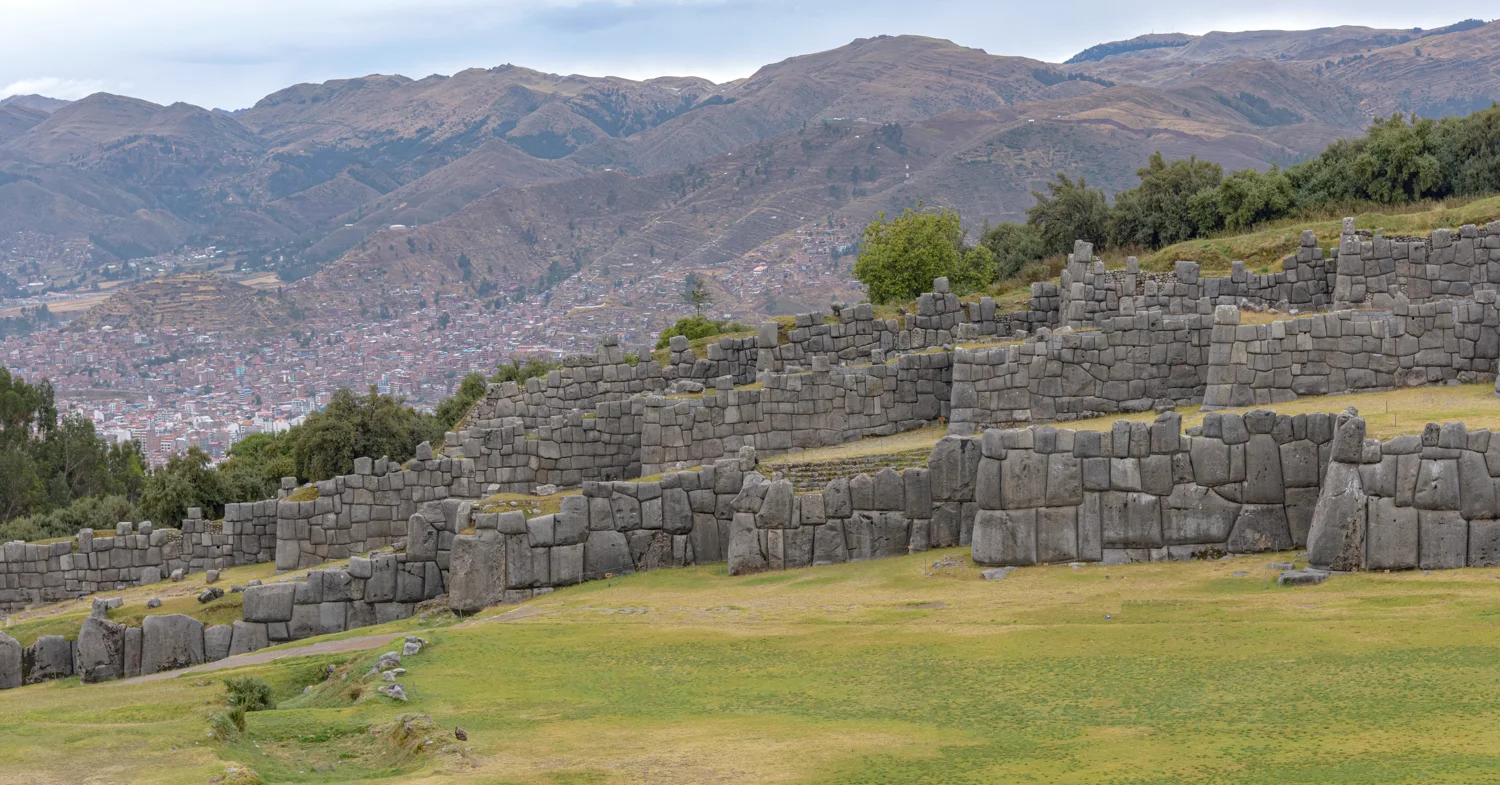
Photograph by Brandon Wichmann
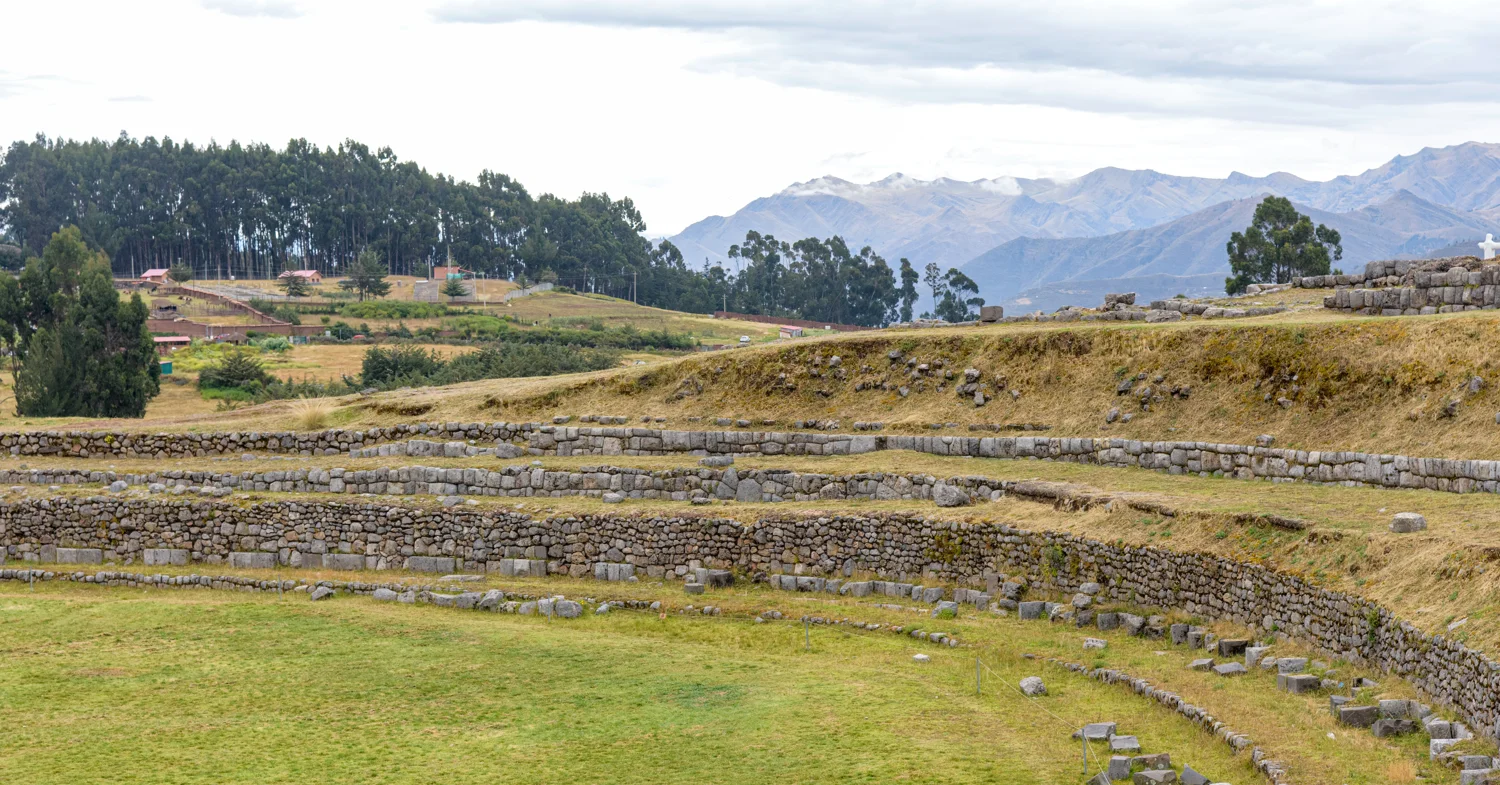
Photograph by Brandon Wichmann
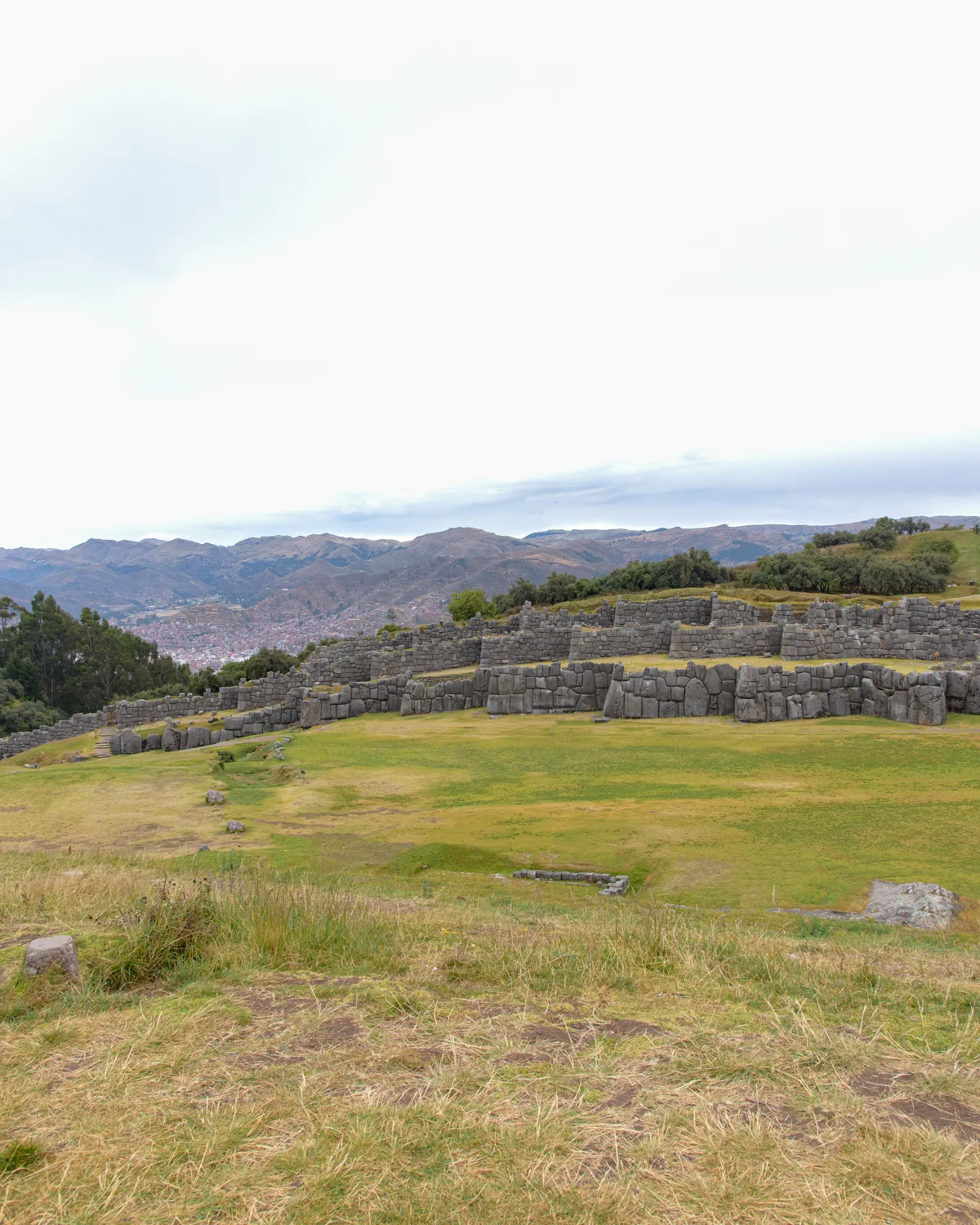
Photograph by Brandon Wichmann
Photograph by Brandon Wichmann
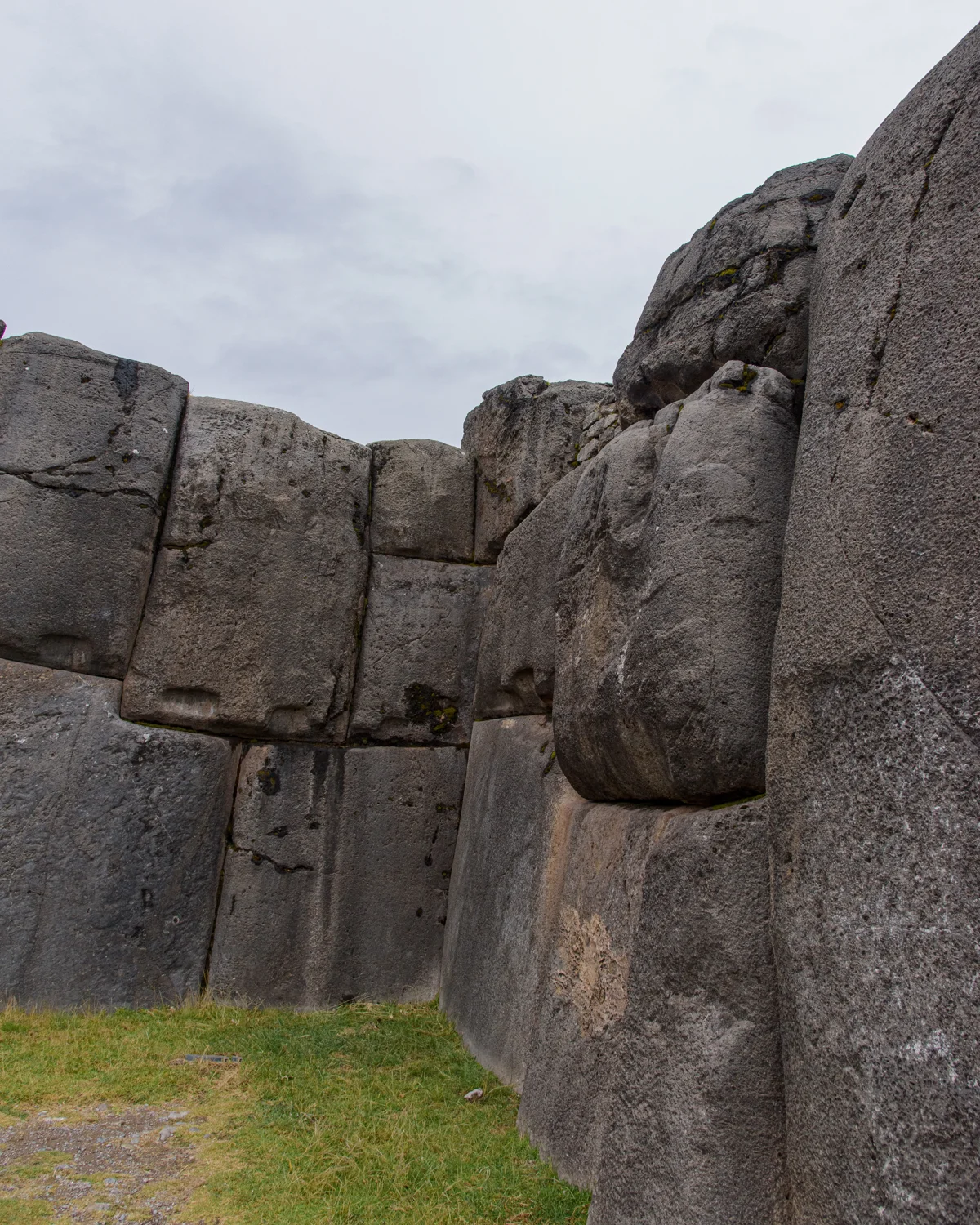
Photograph by Brandon Wichmann
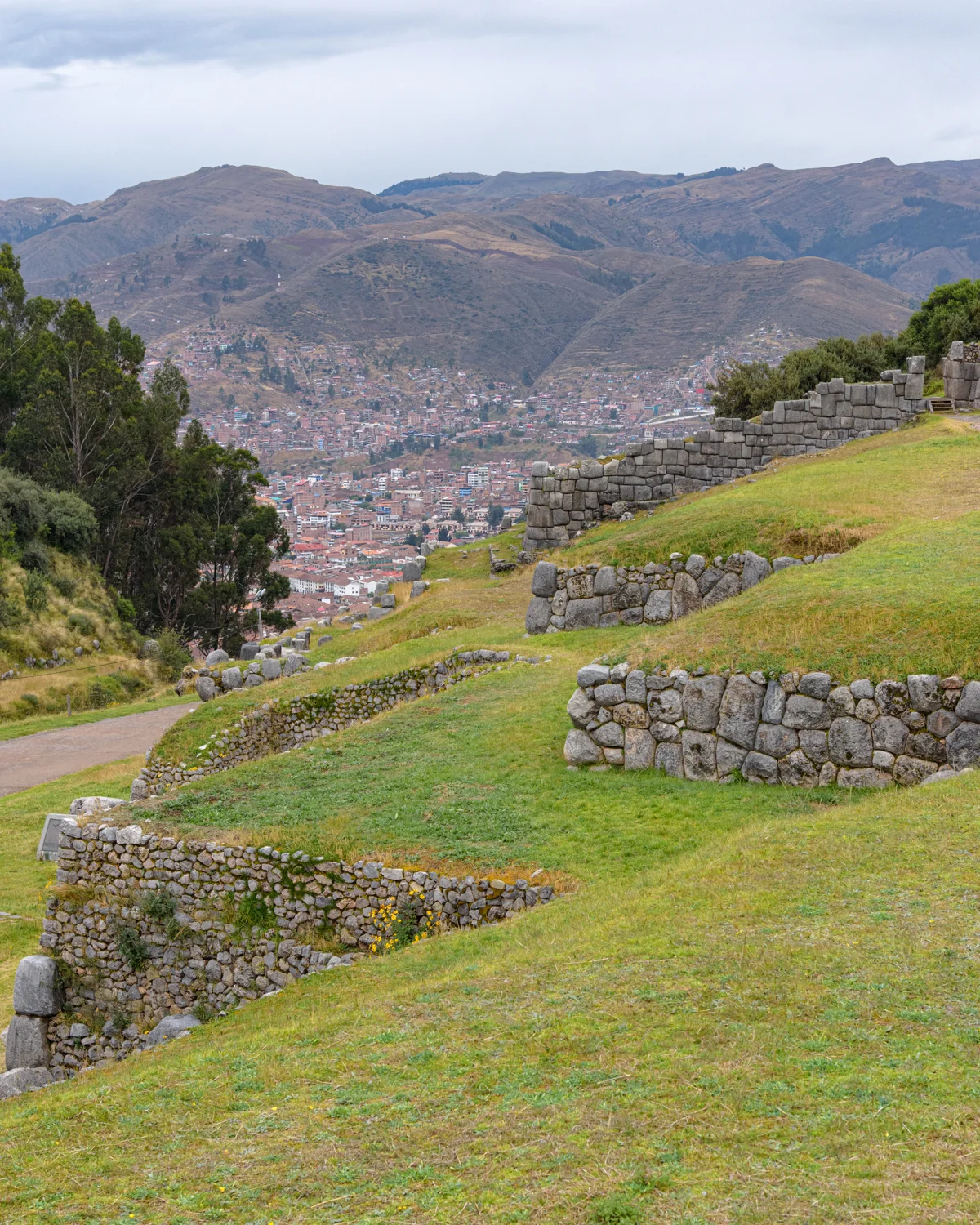
Photograph by Brandon Wichmann
Photograph by Brandon Wichmann
Photograph by Brandon Wichmann
Photograph by Brandon Wichmann
Photograph by Brandon Wichmann
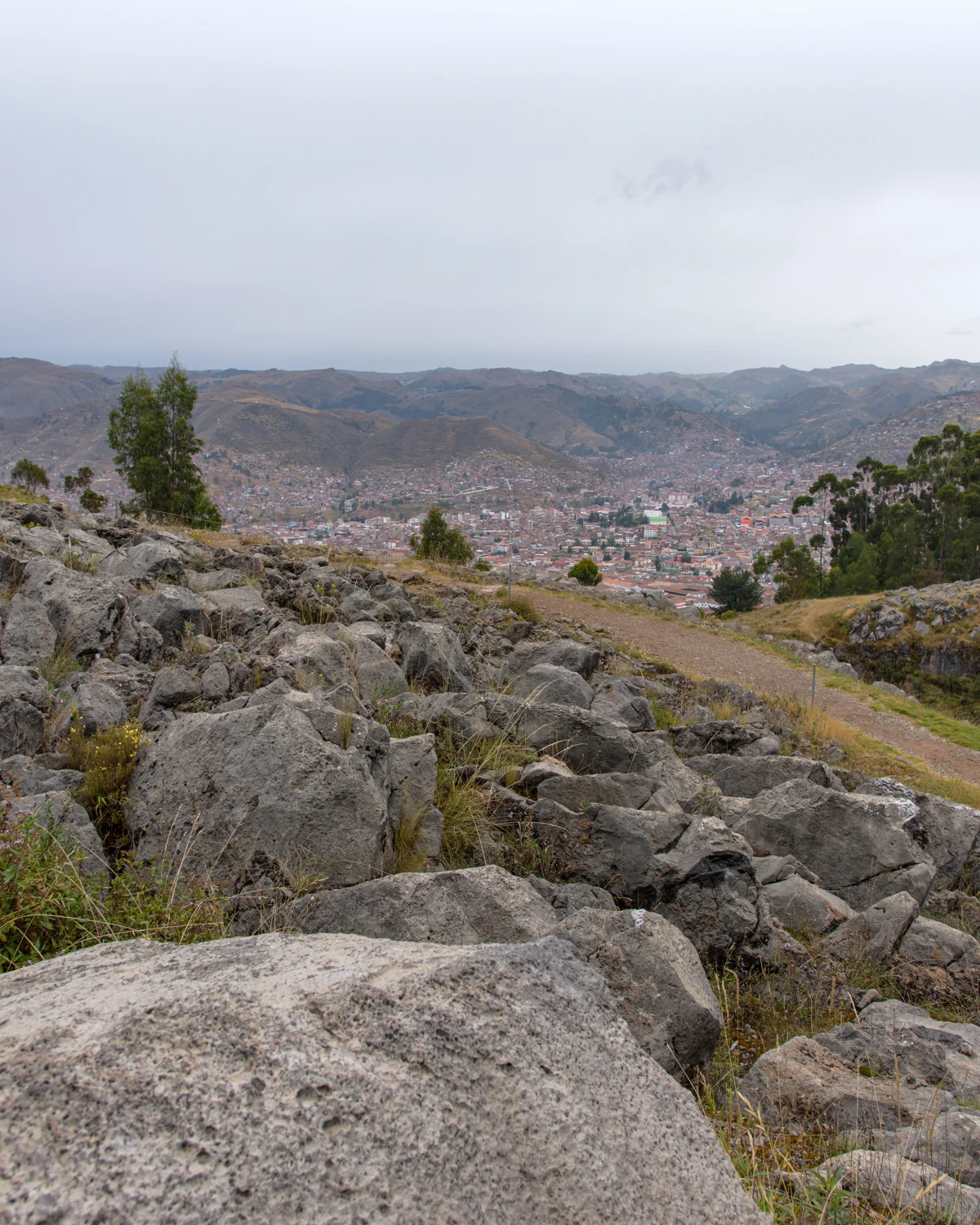
Photograph by Brandon Wichmann
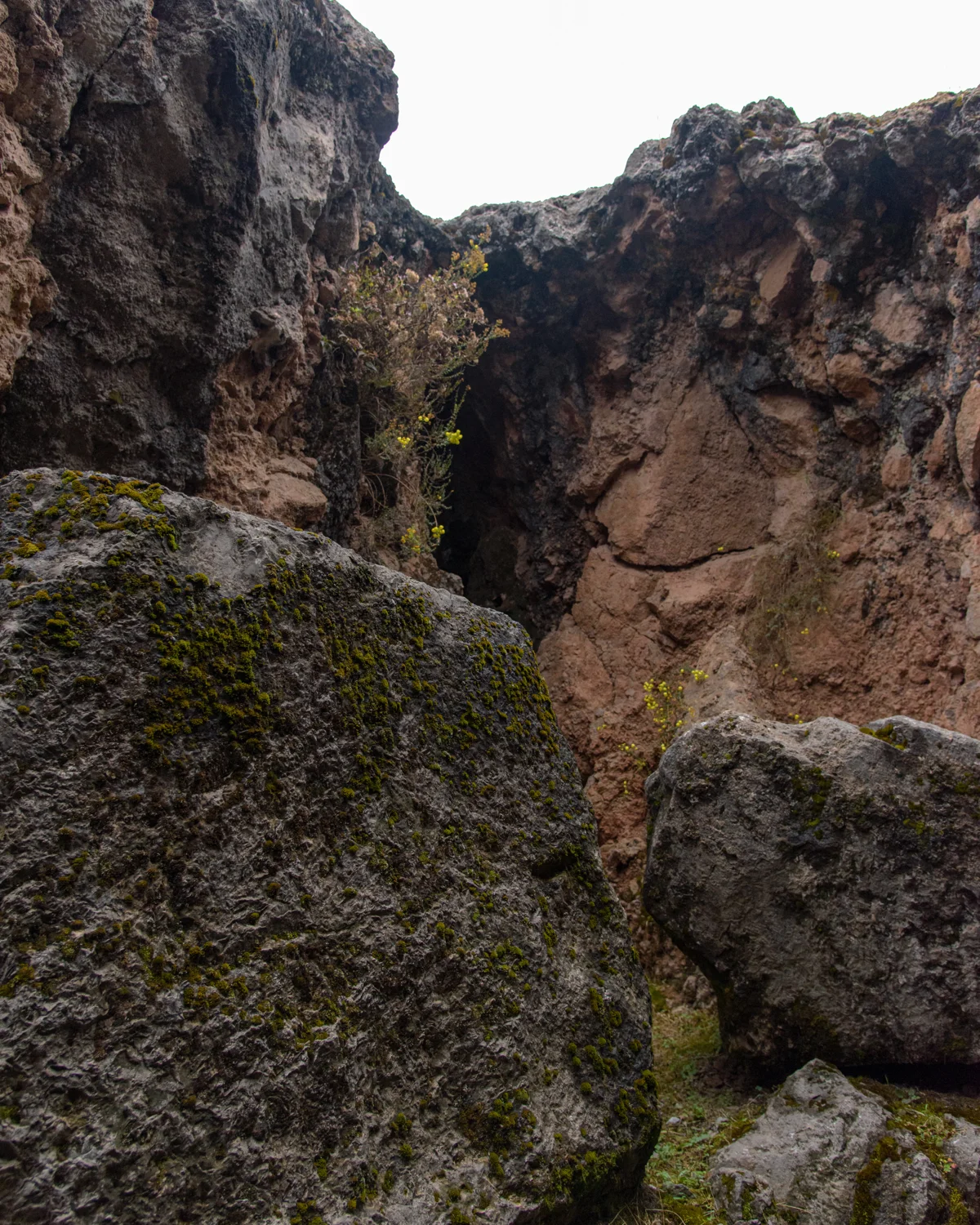
Photograph by Brandon Wichmann
Sources & further reading
Research supports the historical context; observations of the photographs are my own. Interpretations are distinguished from visible features.