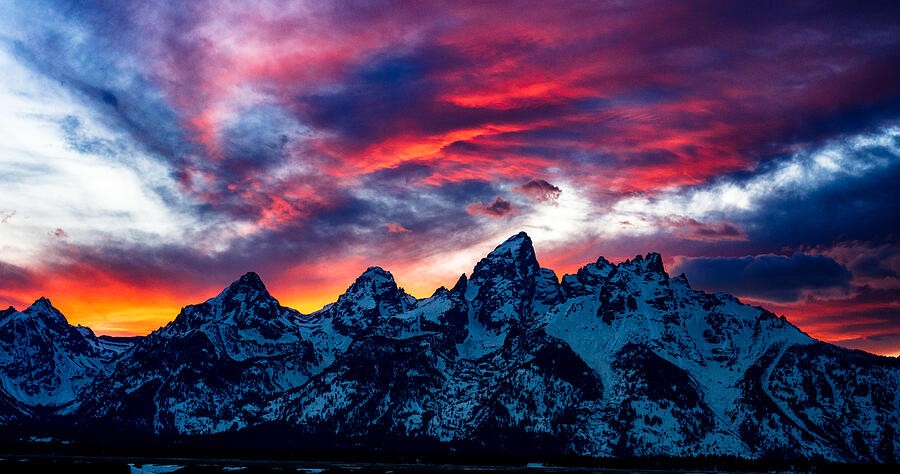
Sequence a travel story: seven frames with different roles
Build a visual journey using wide views, transitions, details, and an ending that does more than repeat the opening.
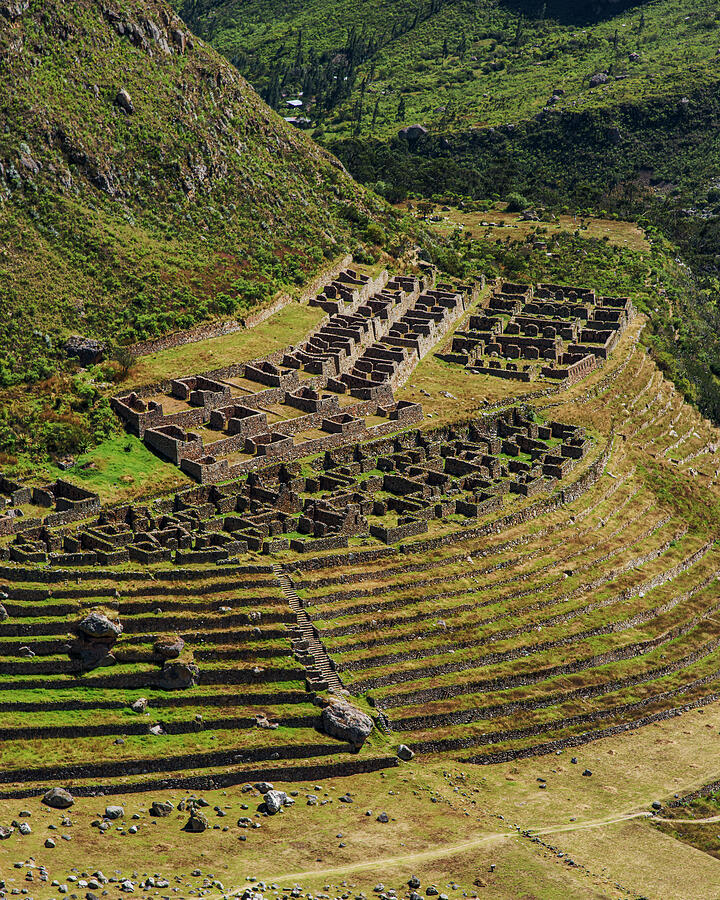
Build a visual journey using wide views, transitions, details, and an ending that does more than repeat the opening. These examples use finished photographs to study visual decisions; they do not identify the original exposure settings or prescribe identical edits for every image.
1. Establish a sense of place
A broad view of terraces and mountain slopes gives the reader a landscape to enter. An opening photograph need not explain everything, but it should establish scale and invite attention. Choose a frame that makes a clear promise about the collection. This sequence is an editorial exercise using Peru photographs, not a claim about the order in which these locations were visited.
2. Change the emphasis
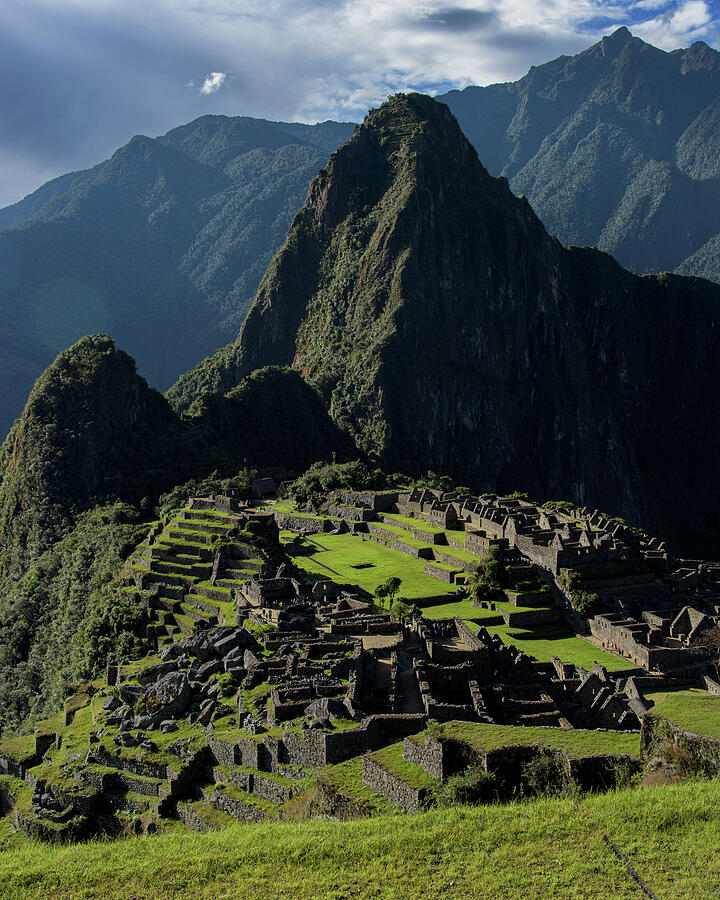
The larger ruins-and-mountains view offers another sense of scale. Used immediately after the opening, it needs to add something: a different relationship between architecture and terrain, a stronger silhouette, or a more distant horizon. If two wide views make the same statement, separate them or remove one. Similarity can create rhythm, but only when the difference is worth noticing.
3. Bring the reader onto the trail
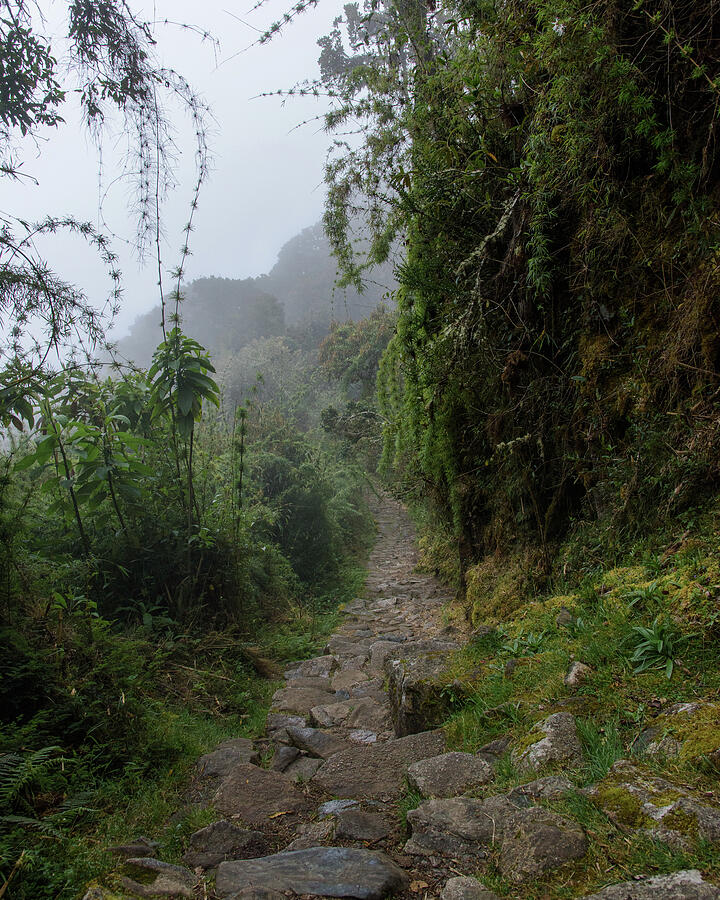
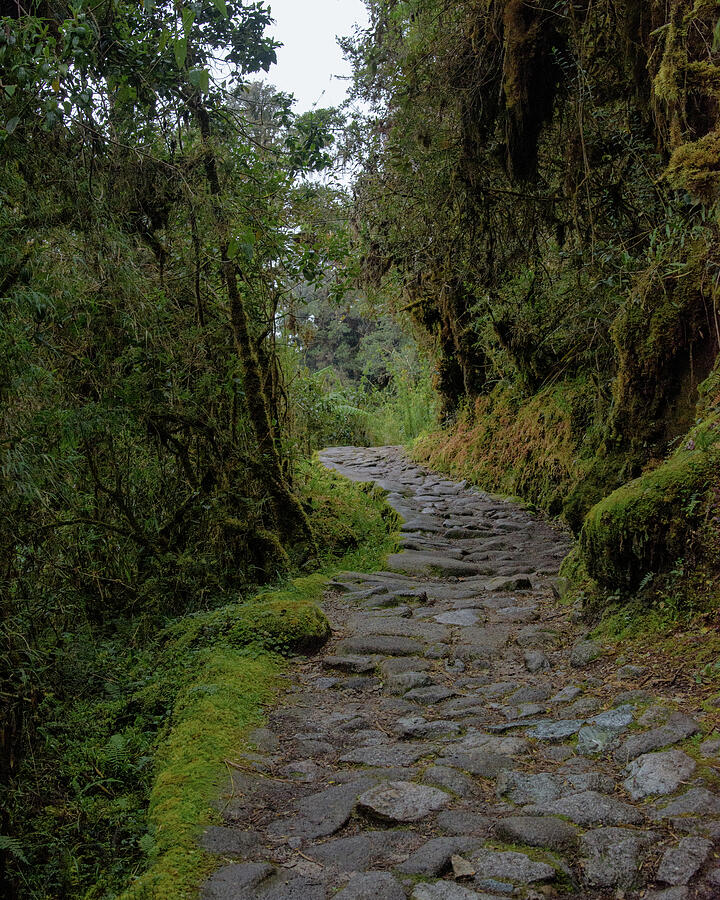
A misty pathway changes the viewpoint from looking across a place to moving through it. Use such transitions when your story shifts from destination to experience. A visible path can carry the eye without a person in the frame. Keep the caption grounded in what happened or what is visible; avoid inventing a mood or event simply to make the sequence feel more dramatic.
4. Open the view again
The mountain pathway restores a sense of distance after the enclosed trail. Alternating open and enclosed views can keep a long article from feeling visually flat. Compare the shapes at the edges of neighboring photographs. A path, slope, or diagonal can help one frame lead into the next, even when the images were made at different times.
5. Slow down with texture
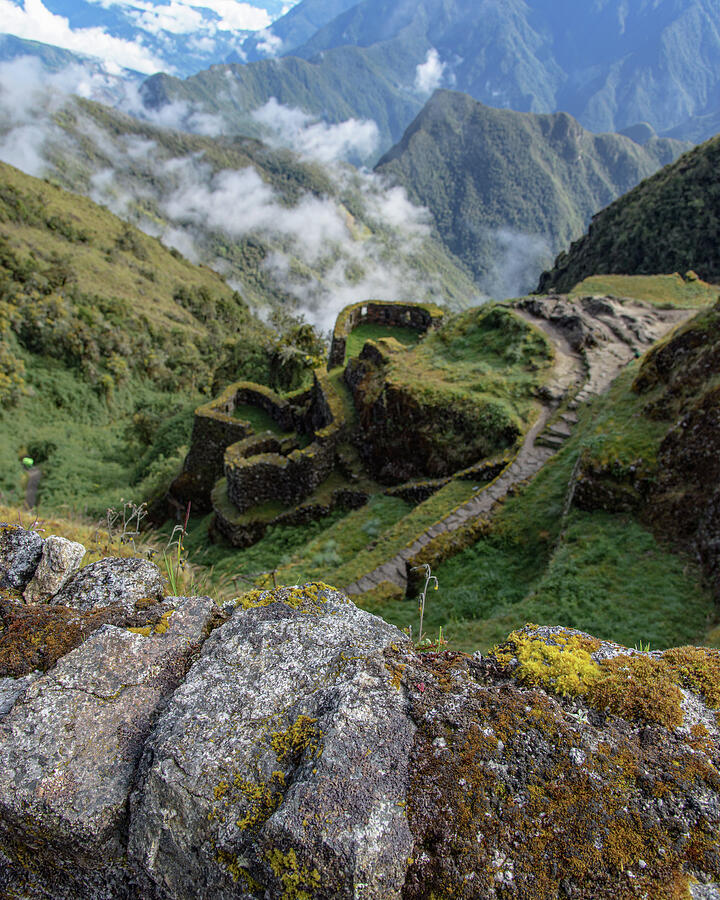
Moss, stones, and vegetation allow the viewer to look at surfaces rather than horizons. A detail-oriented image is useful after a run of dramatic landscapes because it changes the pace. It should still connect to the story. Ask whether the texture gives the reader a more specific understanding of the place, or whether it is only filling space between stronger pictures.
6. Use a threshold
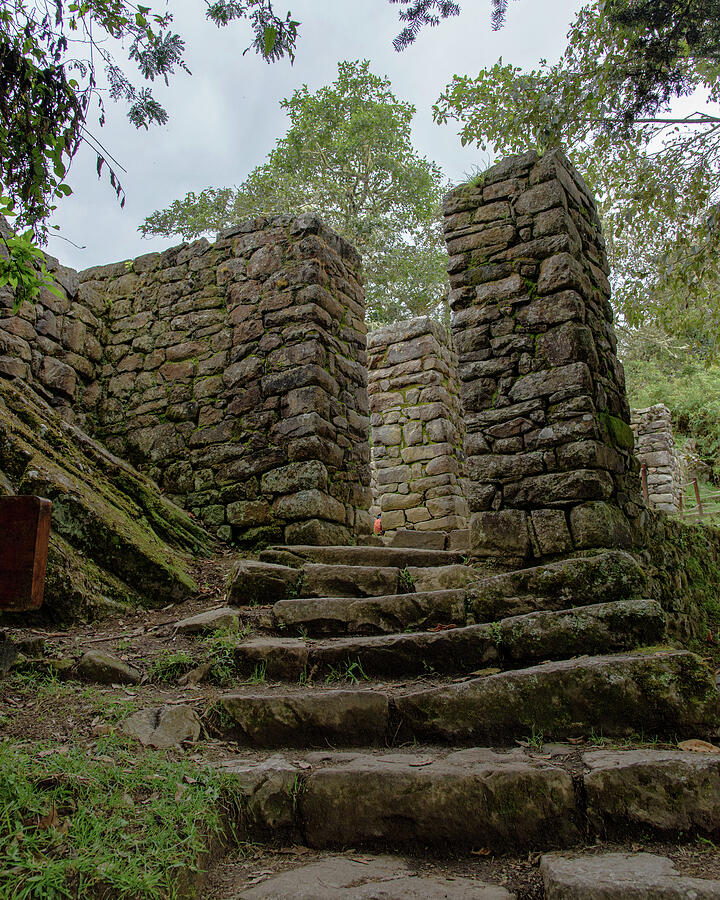
The stone passageway gives the sequence a natural moment of transition. Doorways, bends, bridges, and trail openings can all suggest movement between scenes. That visual suggestion is not a license to invent chronology. Describe a passage as part of the collection unless you know exactly where it belongs in the trip. A truthful sequence can still be carefully composed.
7. End with a different scale
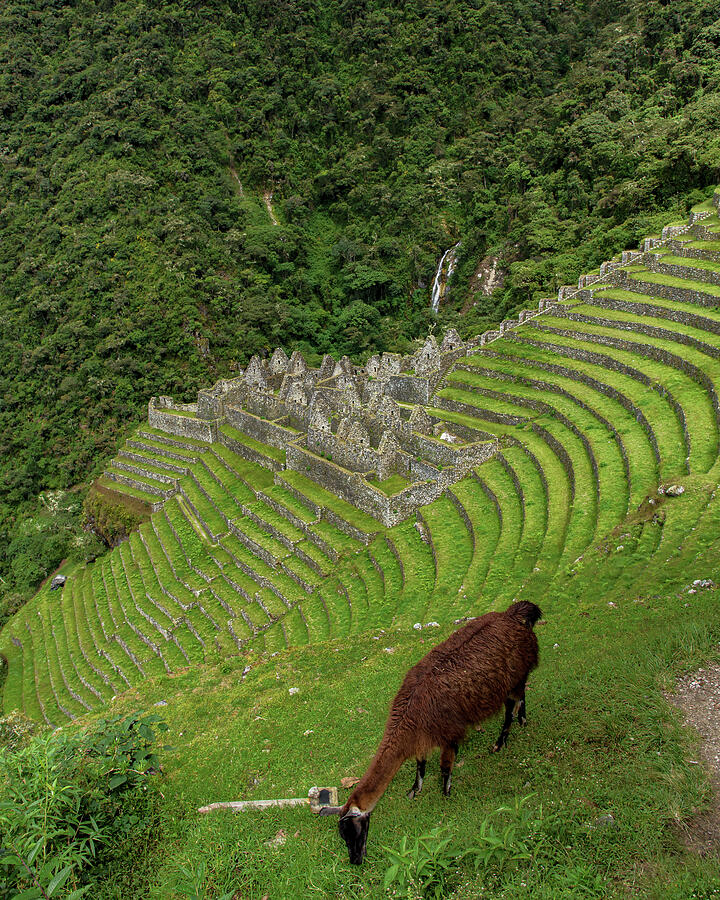
The grazing llama among terraces closes with life within the landscape. It echoes the ruins introduced at the beginning but adds a new subject. An ending does not have to be a sunset or the most spectacular photograph. It can be a small observation that gives the reader a reason to look once more before leaving the page.
Put it into practice
Build a seven-image sequence with one establishing view, two transitions, two closer observations, one major destination view, and one ending. Move the same images into a second order. Read both sequences without captions, then add only the factual captions needed to orient the reader. Remove any image whose role is already performed more clearly by another.