Abstract nature: finding pictures in patterns
Discover smaller compositions in sandstone, ice, bark, leaves, and roots.
Discover smaller compositions in sandstone, ice, bark, leaves, and roots.
Look beyond the landmark
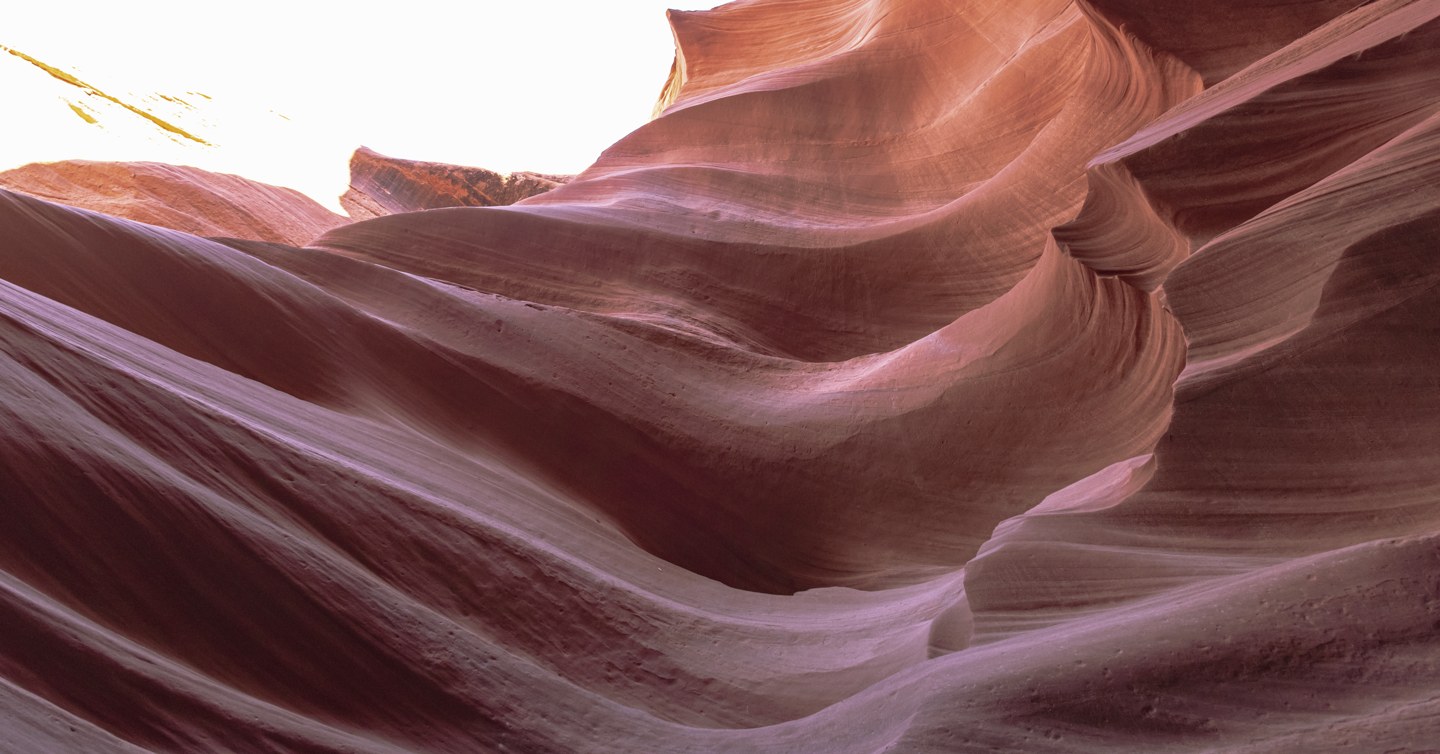
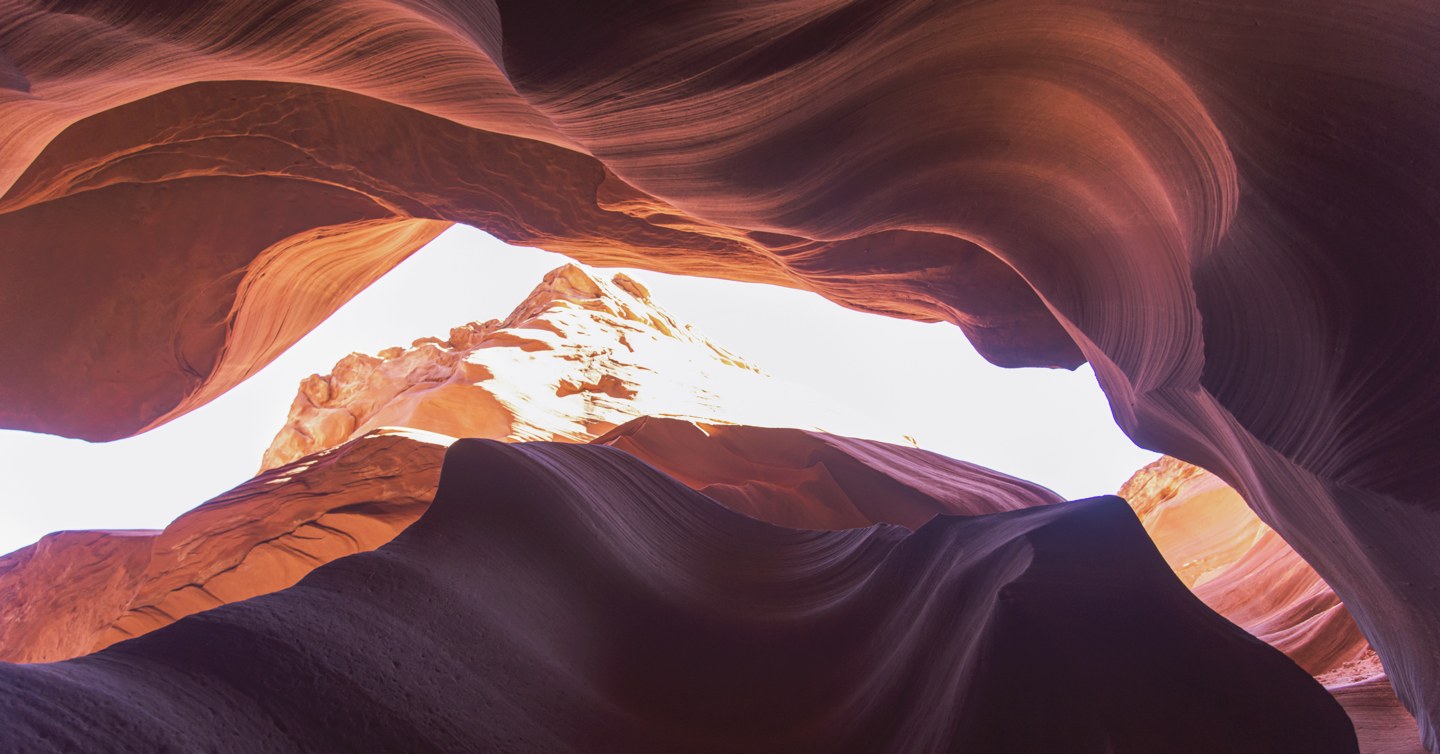
The sandstone photograph can be read as a landscape, but it also works as a collection of curved bands. Begin by setting aside the question of what the place is called. Ask where the lines repeat, where they change direction, and which area interrupts the rhythm. Try a tighter framing that preserves those relationships. Abstract nature photography starts with an observation, not a requirement to make the subject unrecognizable.
Let color organize the image
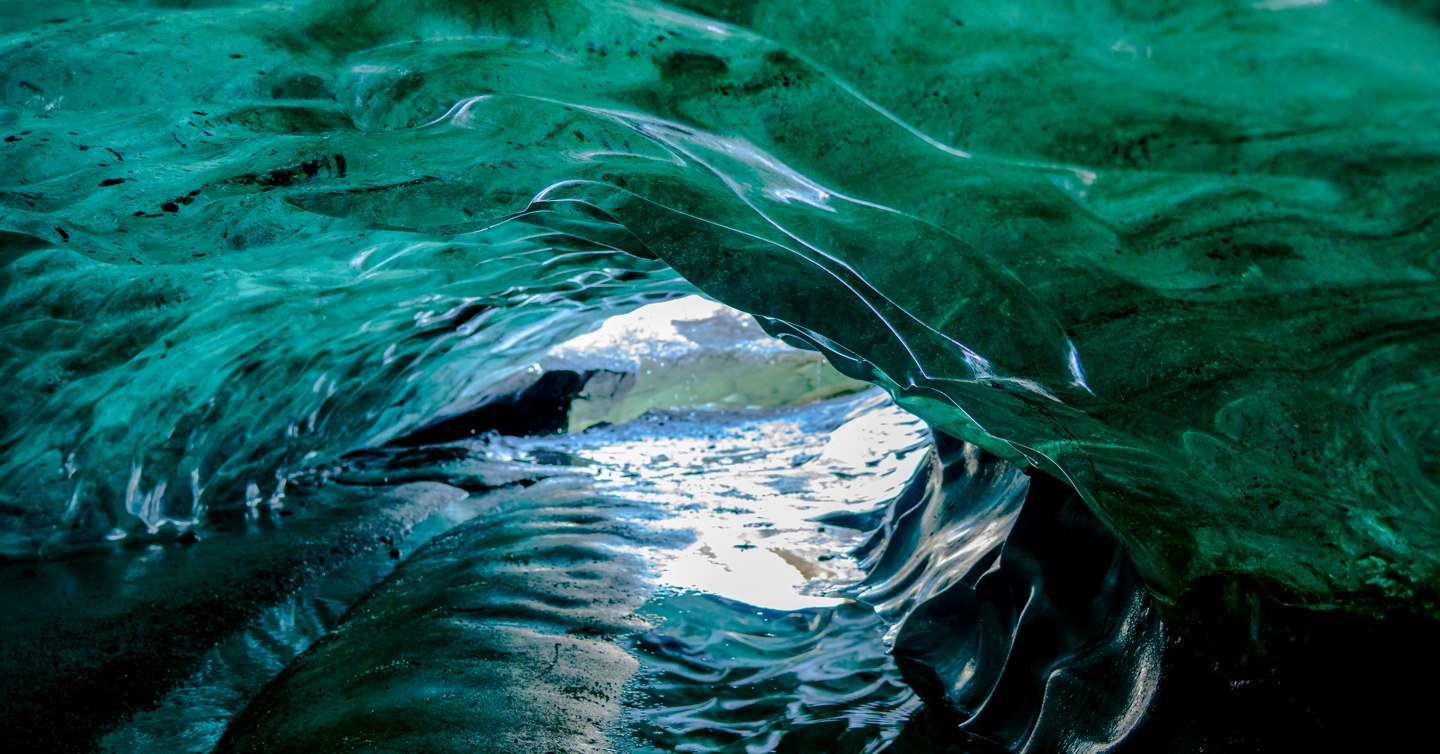
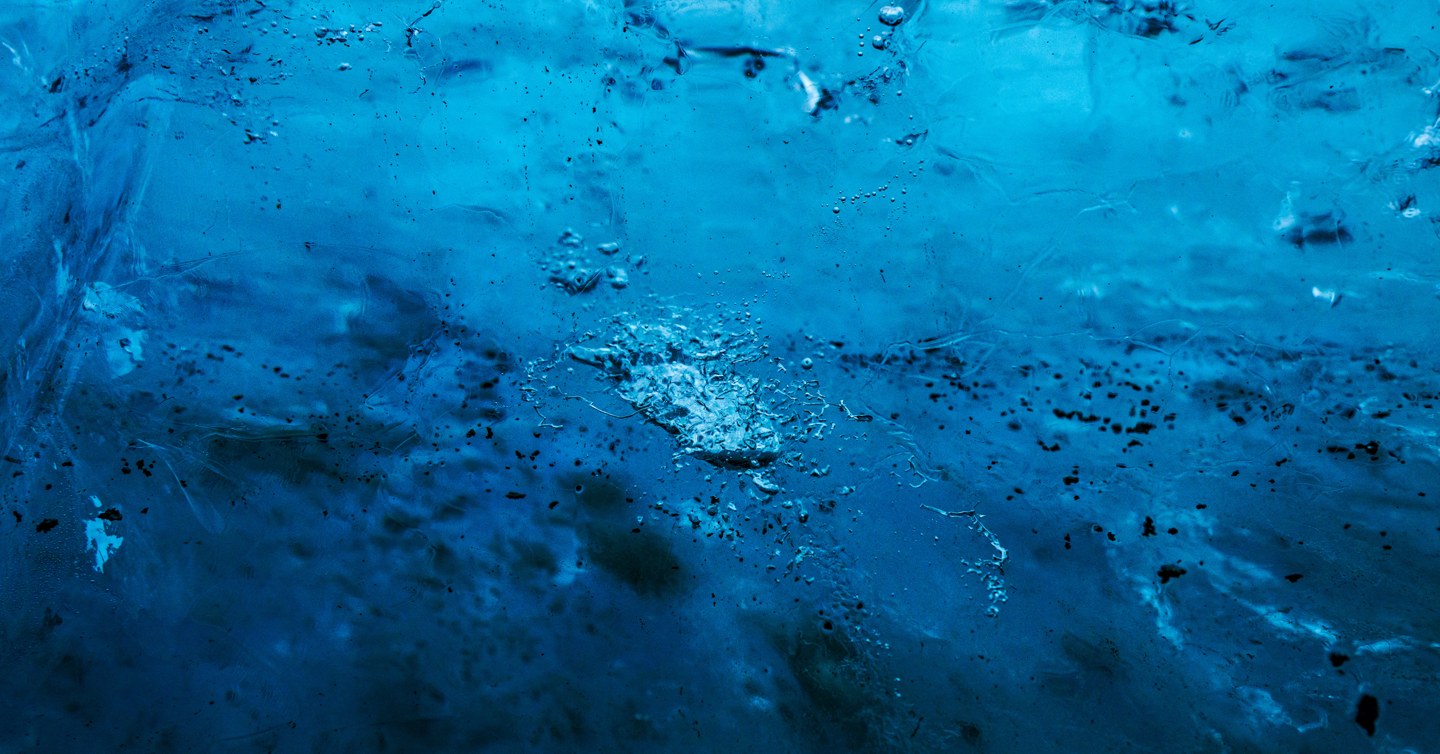
The blue-green ice contains both translucent color and darker shapes. Squint at the image or view it small to see the larger color areas before studying its texture. Choose whether the bright opening or the surrounding ice should lead. During editing, compare changes against a restrained version so that saturation does not flatten subtle differences. Color should help distinguish forms rather than turn them into one uniform patch.
Explore an ordinary surface
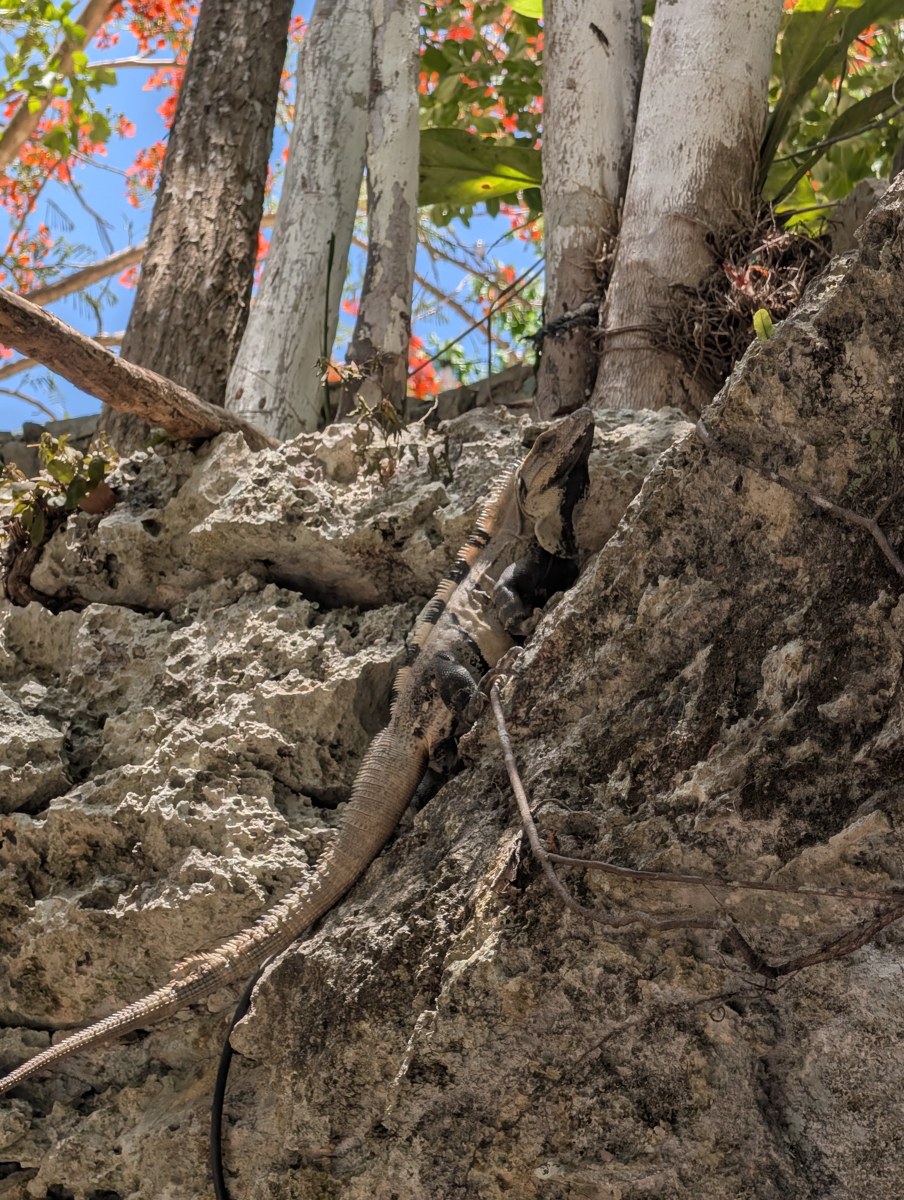
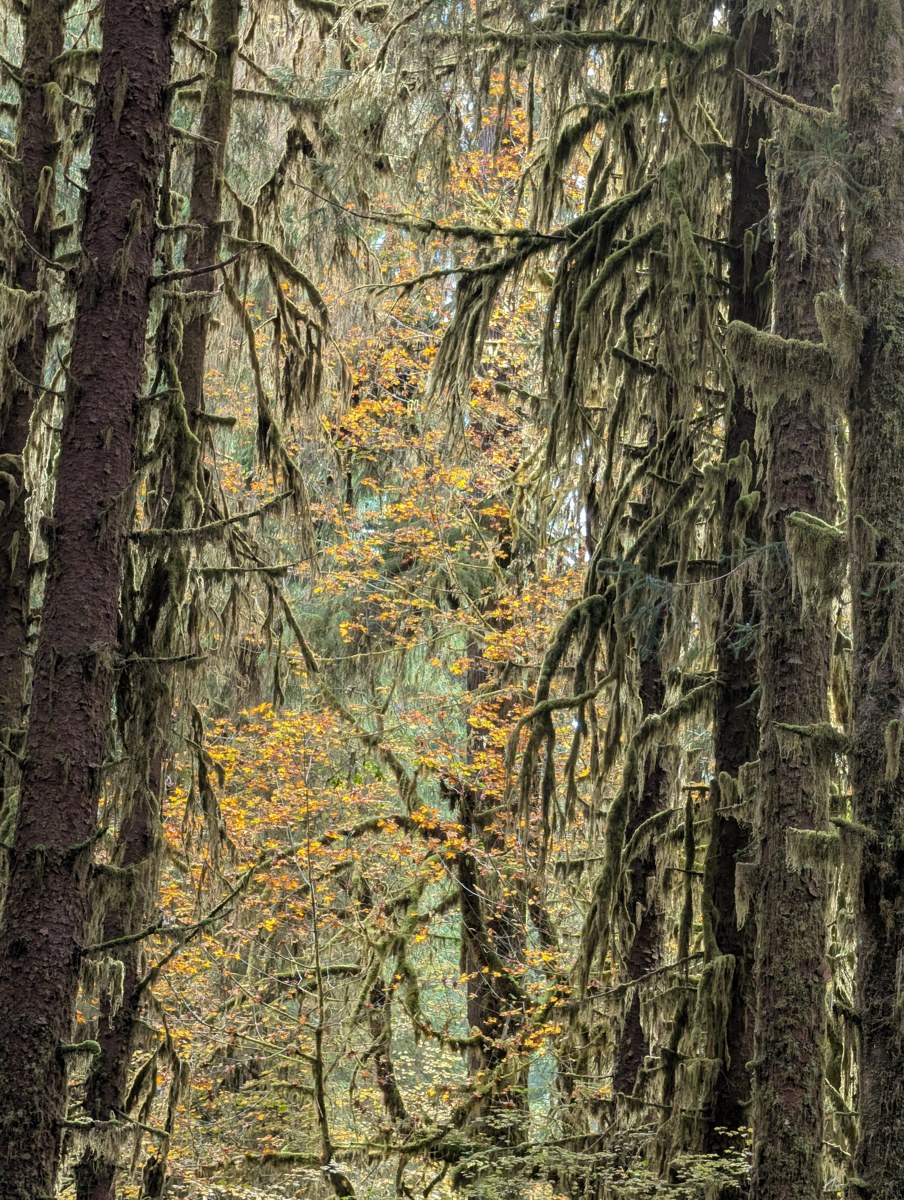
Bark and lichen provide fine-scale patterns without a dramatic destination. Look for contrasts between straight grooves, irregular patches, and changes in color. Move the frame across the surface and compare several arrangements before committing. Check whether the camera is angled in a way that leaves part of the surface outside the useful depth of field. Sharpness should support the pattern, especially when the picture depends on small details.
Use the empty shape too
In the sandstone arch photograph, the opening is part of the composition, not merely a gap between rocks. Trace its outline and compare it with the curved surfaces around it. A slight change in viewpoint can make that relationship more balanced. Inspect all four edges: a bright sliver at the border can pull attention away from the main curve even when it occupies very little space.
Find repetition with a variation
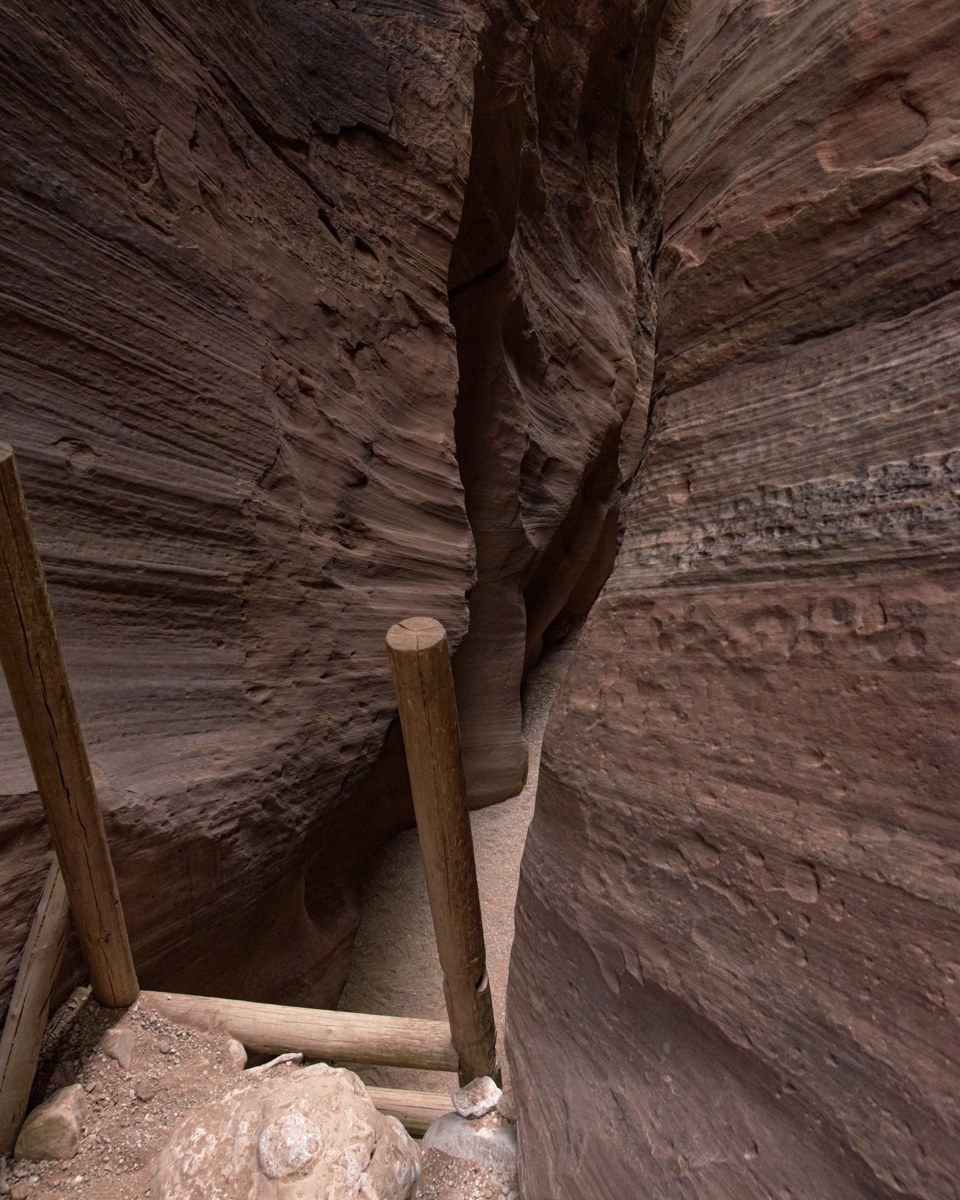
Layered canyon walls repeat lines, but the narrow vertical forms prevent the photograph from becoming a uniform texture. Look for a similar combination in your own scene: a repeated pattern and one useful variation. Avoid including every interesting feature at once. A simpler frame can make the relationship clearer. Work from established access routes and stable ground instead of entering a restricted or unsafe space for a different angle.
Make a quiet detail carry the picture
The close blue-ice view contains small dark marks within a broad field of color. Decide whether those marks are the subject or supporting texture. If the image feels empty, examine their placement rather than immediately adding stronger contrast. If it feels busy, simplify the crop. Keep the source photograph intact and compare alternate crops as separate edits, so you can return to the wider view.
Follow the rhythm of a leaf
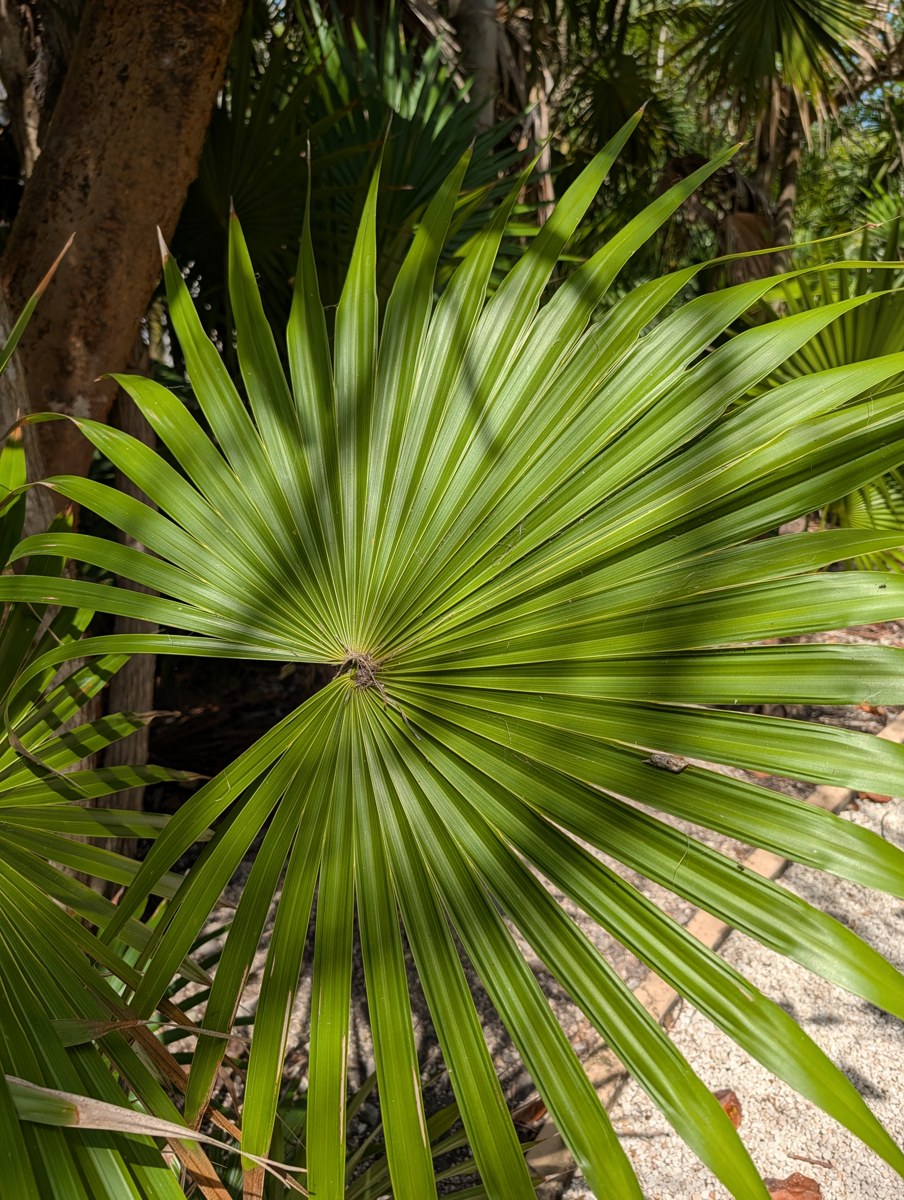
The fan-shaped leaf provides radiating lines and alternating bright and dark areas. Try placing the center of the pattern at different positions in the frame. Notice how that changes the direction the eye travels. Wind can move a leaf even when you are holding the camera still, so check detail before accepting the frame. You do not need to pick or reposition a plant to study its structure.
Practice: build a collection of small discoveries
Roots over rock combine flowing organic lines with a rougher surface. Use that contrast as the starting point for an exercise: find three patterns, such as curves, radiating lines, and irregular textures. Make a wide view for context and a tighter version for each. Select the tighter photographs by how clearly their shapes relate, not by whether they came from the most impressive location.