The Inca Trail: four days that pushed my limits
A solo journey into a shared adventure: high passes, jungle, Leo and the porters, an unexpected itinerary, and the first view from the Sun Gate.
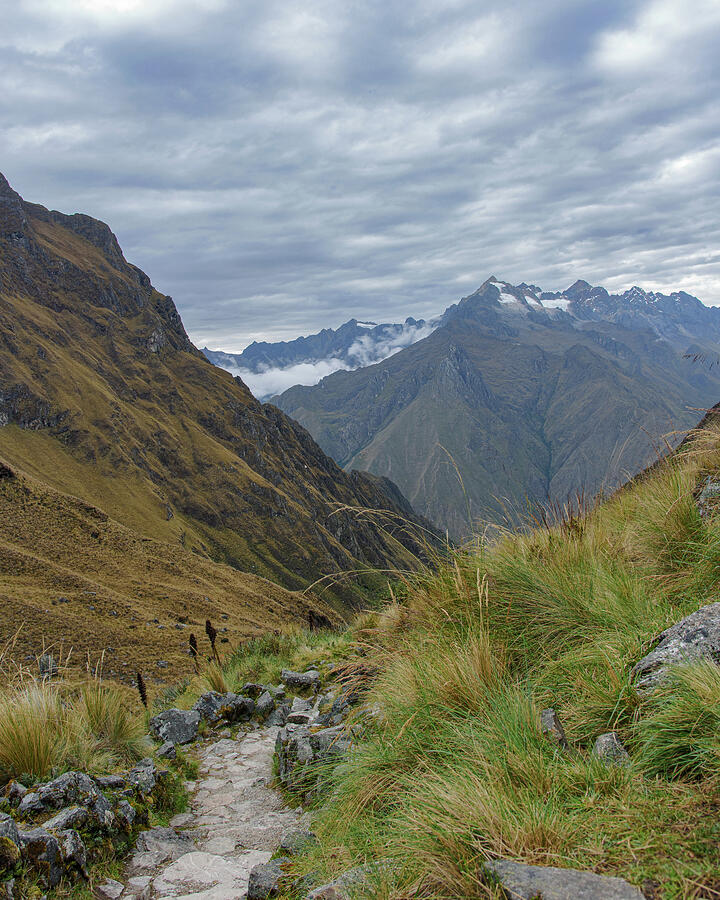
I came to Peru alone in July 2025 to walk the traditional four-day Inca Trail to Machu Picchu. I left with memories of a group that felt like family, a guide named Leo, meals that amazed me, and a trek far harder than I had imagined. A rockslide changed our itinerary, so this guide follows the four days we actually lived.
Why I chose the traditional Inca Trail
In July 2025, I traveled to Peru on my own to reach Machu Picchu on foot. The traditional Inca Trail was the route I wanted: a world-renowned trek where the journey mattered as much as arriving. I booked a four-day group trek with Inka Trail Expeditions Peru. Traveling solo did not mean walking without support or spending the whole trip alone. Over those days, the group began to feel like family.
What my booking included
My package covered meals, water, tents, a sleeping pad, guide support, a porter allowance, and entry to Machu Picchu. A sleeping bag was available for an extra fee. I brought my own trail snacks, small first-aid kit, and personal items. Additional porter capacity and tips were things to budget for separately. Those are the arrangements I remember from my trip; before booking, ask for the current inclusions, personal luggage allowance, rental charges, and arrangements for extra porter weight in writing.
Day one: villages, then the climb begins
The beginning took us through several villages and terrain that felt fairly gentle for much of the day. Then the incline changed quickly as we began the approach toward Dead Woman’s Pass. We camped what I remember as roughly two miles below the pass. The contrast between the easier early walking and the steeper finish was an introduction to how quickly the demands of the trail could change.
Day two: Dead Woman’s Pass and another climb
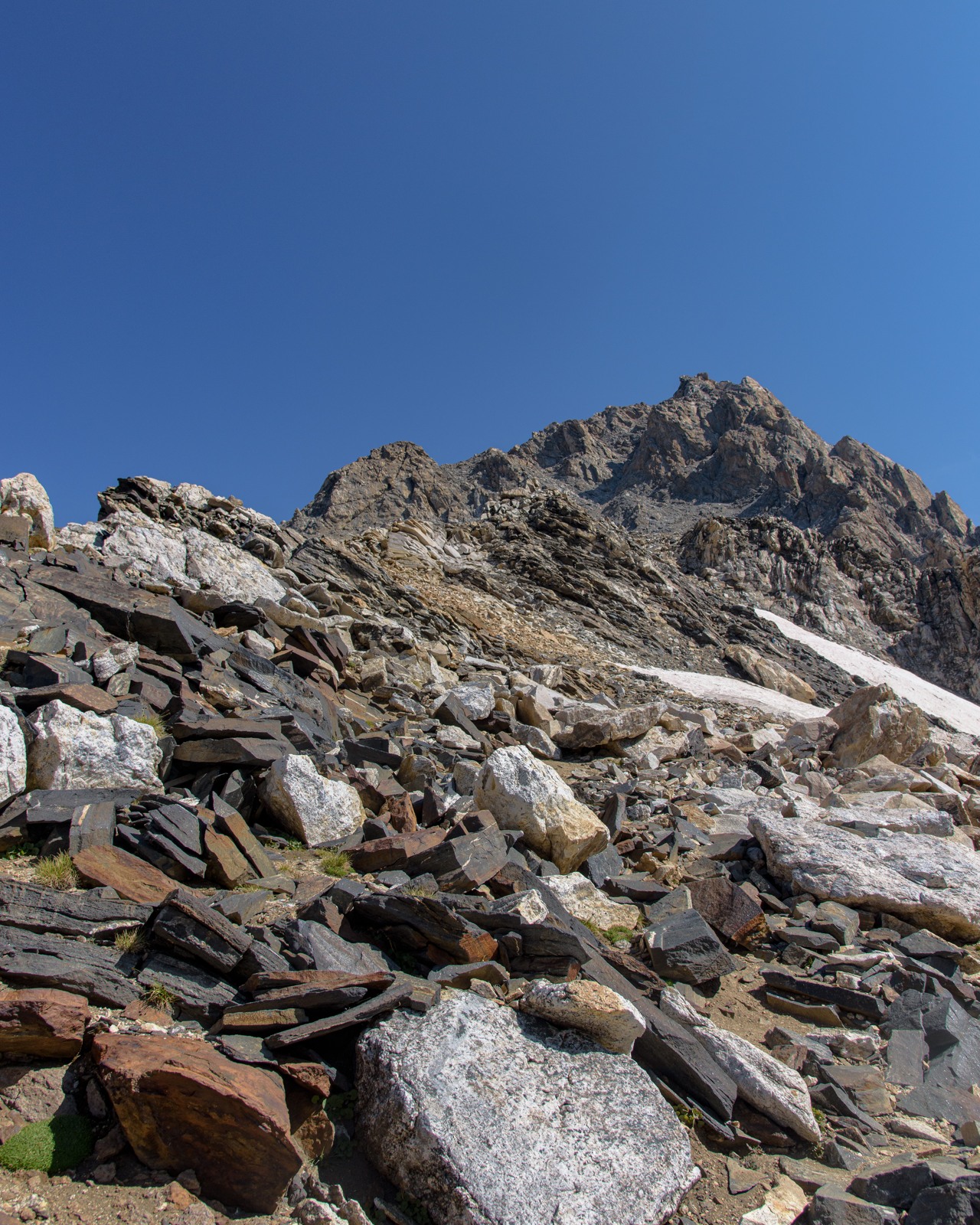
We started the morning climbing toward Dead Woman’s Pass. At close to 14,000 feet, the effort was intense and deeply fatiguing. I had spent half a year preparing with demanding hikes and mountain summits, and I still felt pushed toward my limits. The photograph from this part of the trail means a great deal to me because it cannot fully show how tired I was or how hard I was working to keep going.
A day that kept asking for more
After the pass, we descended into the valley for lunch. The day was not finished: another pass lay ahead, with more climbing and several ruins along the way. We spent that night high in the mountains below another summit. Day two was the most physically straining day of the trek for me. It was not one isolated hard stretch; it was the accumulation of climbing, descending, and starting upward again.
Day three: down through the Andes to Wiñay Wayna
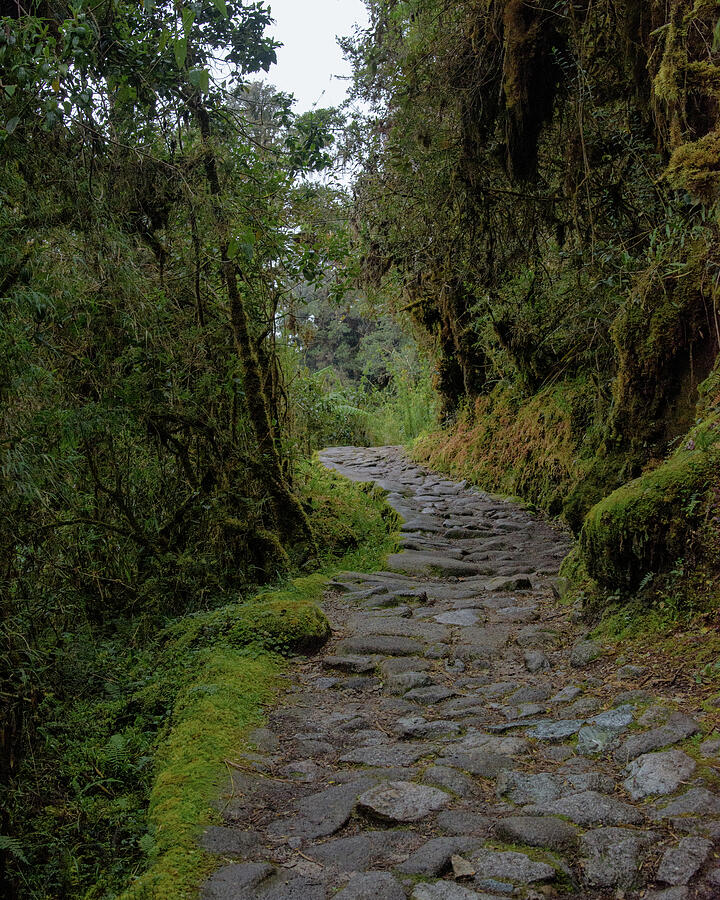
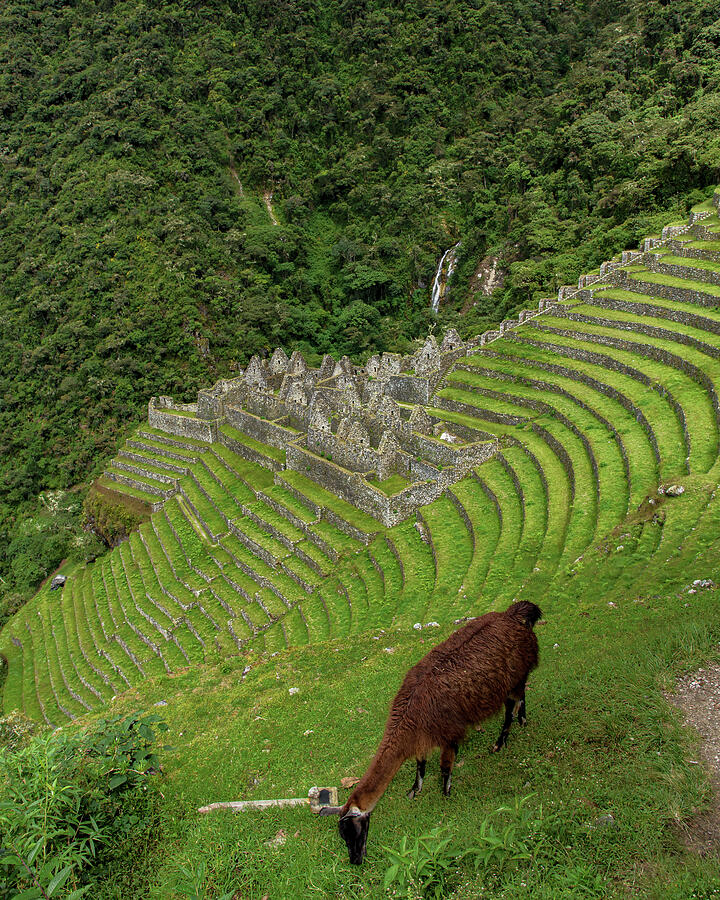
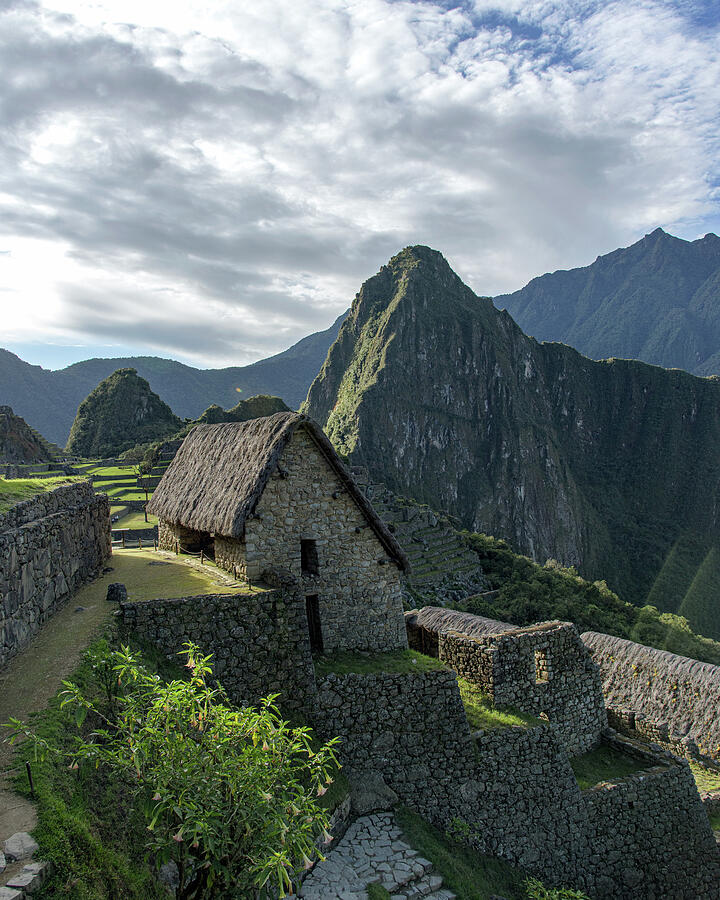
The third day became one of my favorites. We spent the morning descending through the Andes, with extraordinary views and jungle that felt almost unbelievable. The landscape kept changing around the stone trail. After the strain of the high passes, the greenery and ruins gave the journey a different character. We stopped for lunch at Wiñay Wayna, but our planned overnight arrangements had to change.
The rockslide that changed our itinerary
A rockslide had made the campgrounds unavailable on our trip, so we continued toward Machu Picchu instead of staying there. That made day three longer than I had expected. We reached a view of Machu Picchu around 5 p.m. and saw it from outside before continuing down. We camped below Machu Picchu, roughly half a mile from Aguas Calientes as I remember it. This was the itinerary we actually experienced, including the change—not a promise of the schedule another group will follow.
The monkey steps, the Sun Gate, and that first view
The approach included the steep steps we called the monkey steps and the arrival at the Sun Gate. Seeing Machu Picchu was an enormous relief. The weather can change so quickly that I had not taken a clear distant view for granted. There it was: the city on the mountain, surrounded by sprawling Andean ranges. Seeing it within that landscape, and then getting closer, made its scale real in a way photographs alone never had. It was breathtaking.
Day four: walking through Machu Picchu
The next morning, we took a tour bus back up to Machu Picchu and went through the site with our guide. Arriving on foot the previous evening and returning for the tour gave me two different experiences: first the emotional release of reaching it, then the opportunity to look more closely and understand what I was seeing. Reaching the Sun Gate had been a highlight; spending time within the city gave that arrival another dimension.
Camp already waiting for us
The porters moved through the mountains so quickly that camp was already set up when we arrived. Seeing their work in person created an immense sense of respect. They were friendly, some spoke a little English, and the loads they carried through that terrain were remarkable. Their effort was part of what made our experience possible. I came away impressed by them far beyond anything I could have understood from reading about the trek beforehand.
The dining tent, the laughter, and a cake
Meals were one of the pleasures I looked forward to. A sheet divided the canvas dining tent, and from our side we could hear the porters and the Peruvian chef talking and laughing while they prepared food on the other side. They sounded like they were having an absolute riot. Our table was laid with cloths, and we were served wonderful Peruvian dishes. What the chef could produce on the trail amazed me. On the final day, they baked a cake in an ordinary pan and decorated the whole thing. That detail still captures the care and skill behind the meals for me.
Leo and the people who made the trail
Our guide was Leo. He was incredibly knowledgeable about the Inca people and the natural environment around the trail and Machu Picchu. He seemed to have an answer to every question I asked, and his English and Spanish made the conversations easy. The shared meals and camp life brought us together as a group. I had come to Peru solo, but the social part of the trek became one of its strongest memories.
What I carried through the mountains
I carried my Nikon D810 throughout the trek, along with spare batteries, battery packs, and SD cards. My pack also held three changes of clothes, small souvenirs from the wider trip, a small first-aid kit, a two-liter CamelBak, electrolyte tablets, trail snacks, and rain protection for both me and the backpack. I wore broken-in hiking boots. The camera mattered to me, but carrying everything I had brought from Cusco also made the pack heavy. That weight became a decision I felt with every long climb and descent.
What I would change next time
I would pack lighter or arrange for more of my personal load to be carried within the operator’s permitted porter arrangements. There is a complicated pride in having carried a heavy pack—it made the accomplishment feel even bigger—but I do not think extra weight is necessary to earn that feeling. I would also make trekking poles a priority. The repeated stairs and long days deserve more attention in preparation than a simple description of the route can convey.
Prepare for the effort and give yourself time
The half-year of hiking and summit preparation helped me, but I had still underestimated how intense the trek would feel. I would tell a friend to arrive with substantial hiking experience and prepare for stairs, sustained climbs, and consecutive days on their feet. Stair training and gradually building comfort with a pack are things I would consider, rather than treating any single workout as enough. Mentally, I would prepare for a demanding journey as well as a beautiful one.
Make room for Cusco and acclimatization
I would personally allow at least a couple of days in Cusco before starting rather than rushing straight onto the trail, and I would love more time there to explore and ease into the trip. That is a travel preference, not a guarantee that 48 hours is enough for everyone at altitude. Fitness and acclimatization are different, and the climb to Dead Woman’s Pass was exhausting despite my preparation. Plan gradual altitude exposure appropriate to your itinerary and personal health; the CDC resource below explains the considerations.
What the trail left with me
At the time, this was the hardest thing I had done in my life. The Inca Trail broke me down physically and put extraordinary ruins, landscapes, and stories in front of me. I often found myself walking quietly on my own between group stops, taking in the mountains and the stone paths that seemed never to end. Summiting Dead Woman’s Pass was a major personal accomplishment. Seeing Machu Picchu through the Sun Gate was another. The fatigue, the culture, the people, and those two moments are inseparable in my memory of the journey.