Seven days in Peru: the Inca Trail, Machu Picchu, and the Red Valley
A solo journey in July 2025: two days based in Cusco, four days on the Inca Trail, and a final day at Rainbow Mountain that brought the whole trip into focus.
I chose Peru for Machu Picchu. In July 2025, I traveled there solo with a week planned around reaching it on the four-day Inca Trail. What I did not expect was that Rainbow Mountain and the Red Valley would become some of my strongest memories. After several days of trekking, that final landscape gave me a moment to take in everything I had just done.
Beginning in Cusco
I spent the first two days based in Cusco before starting the Inca Trail. On the first day, I visited historical ruins and joined a historical tour of Cusco in the afternoon. It was a chance to begin learning about the places and people behind the landscapes I had come to photograph.
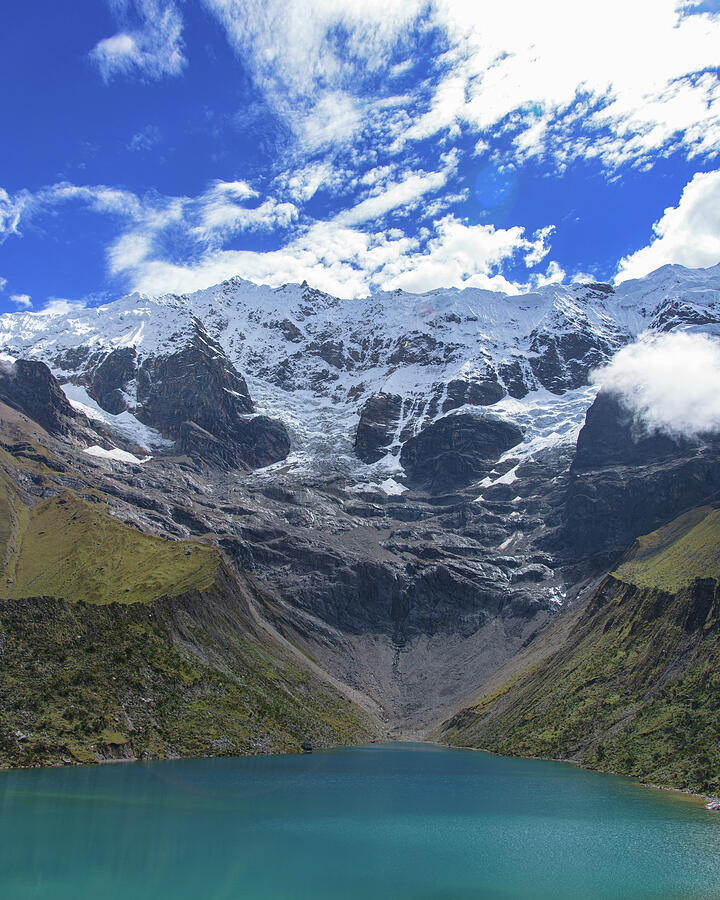
The second day was a day trip to Humantay Lake. The photograph numbered 16 in my Peru gallery—the turquoise lake beneath the mountains—has a special place in my heart. Along with photo 17, of Rainbow Mountain, it is one of the images I keep returning to from this trip.
Four days on the Inca Trail
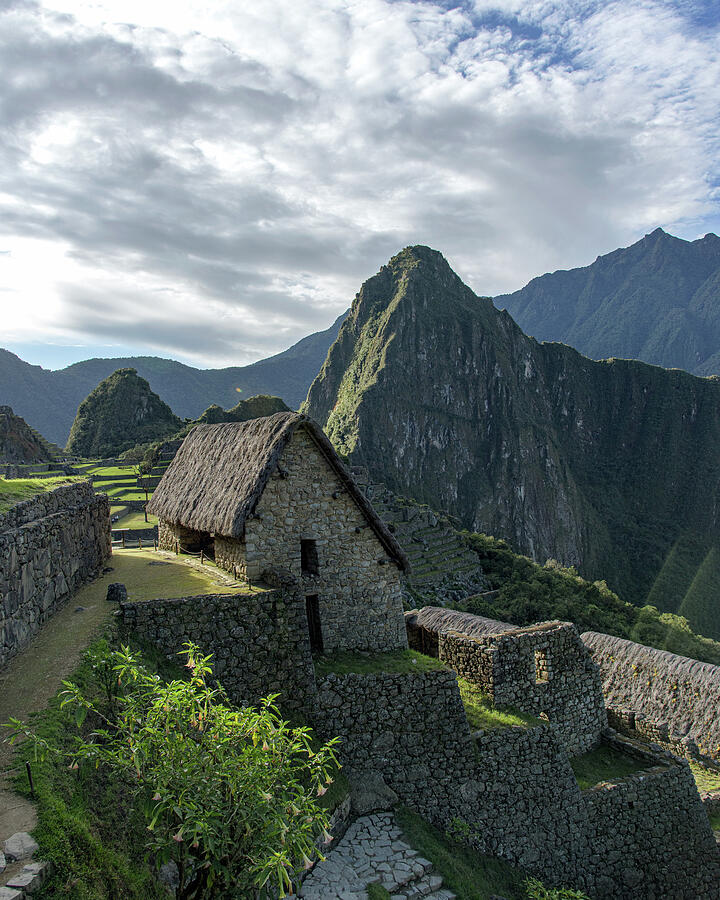
Days three through six of the trip were devoted to the Inca Trail. Machu Picchu was the reason I had come, but the journey meant hiking through the Andes and encountering ruins along the way. Those places became part of the experience in their own right, rather than just stops before the destination.
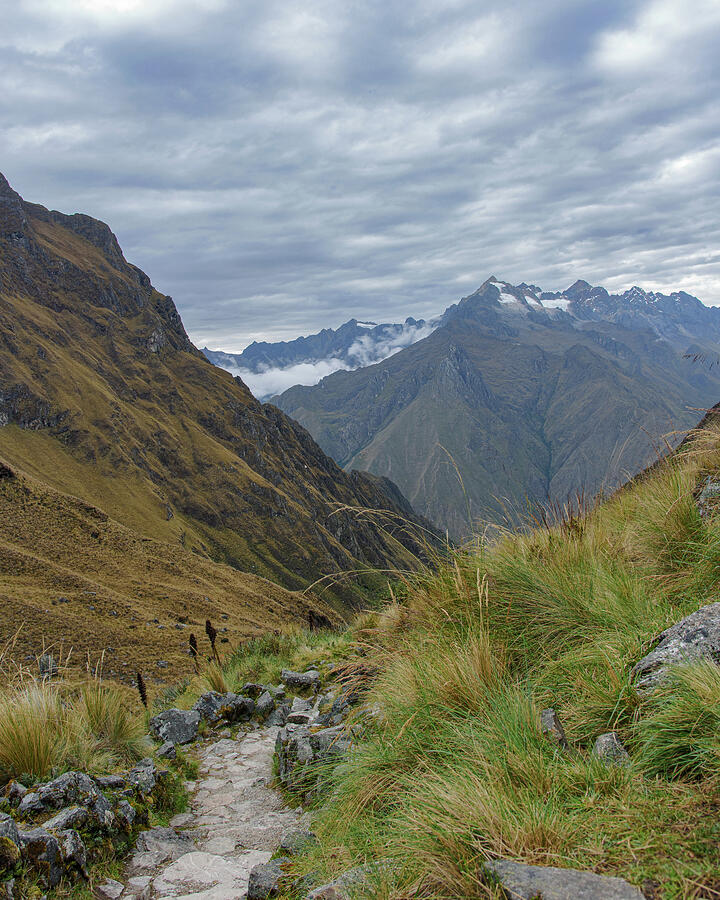
On day two of the Inca Trail—day four of the whole trip—I crossed Dead Woman’s Pass. It was the hardest part of the trek for me. The photograph of the trail approaching the pass, number 1 in the gallery, brings back a particularly memorable stretch of the trek. Looking at that path now connects the landscape in the photograph with the effort of moving through it.
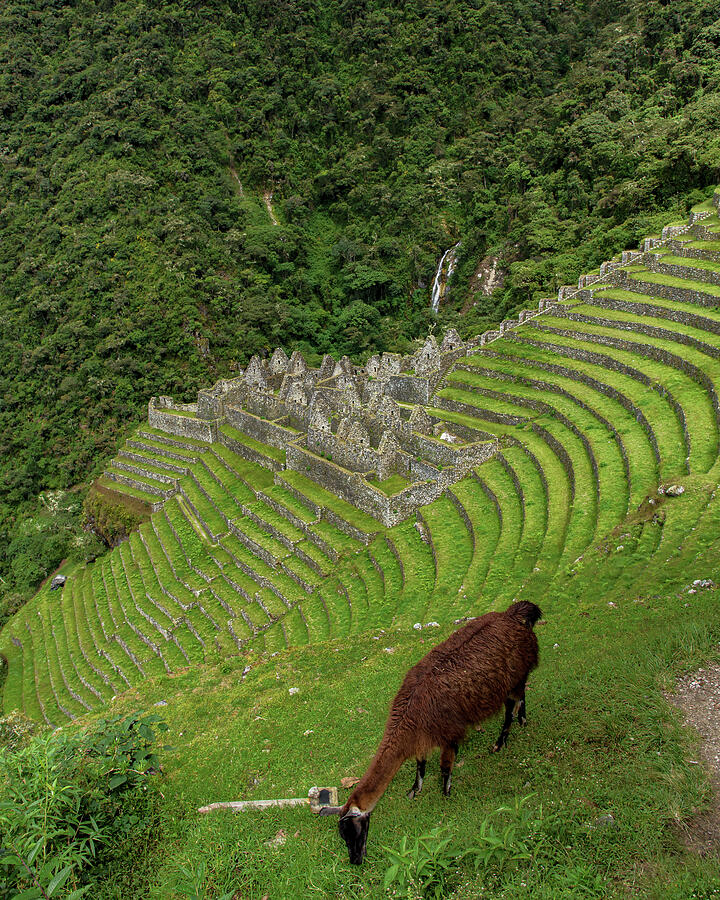
The ruins were another part of what made the trek memorable. Photo 7, Wiñay Wayna with a grazing llama, stands out for me. It belongs alongside the photograph of the pass as one of the images that most strongly connects me to those days in the mountains.
Arriving at Machu Picchu
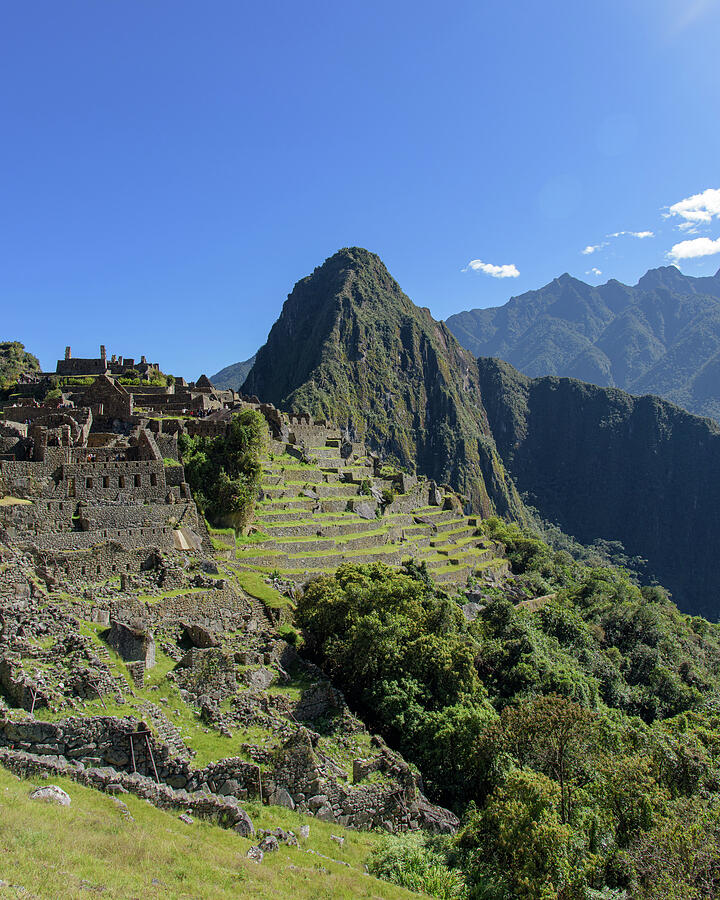
Machu Picchu was breathtaking. What struck me was the engineering: the achievement of building a city in that landscape, and the questions its features still raise. My guide explained that people are still actively interpreting the purpose of some parts of the city. Hearing that made the visit feel like an encounter with a place that still has more to teach us.
I also remember hearing about the expeditions that brought Machu Picchu to wider international attention. Hiram Bingham, a Yale historian, reached the site in 1911 with help from local people. That local knowledge is an essential part of the story: Machu Picchu was not unknown to the people who lived in the region. The history added another layer to what I was seeing, beyond the familiar view in photographs.
Rainbow Mountain and the photograph I brought home
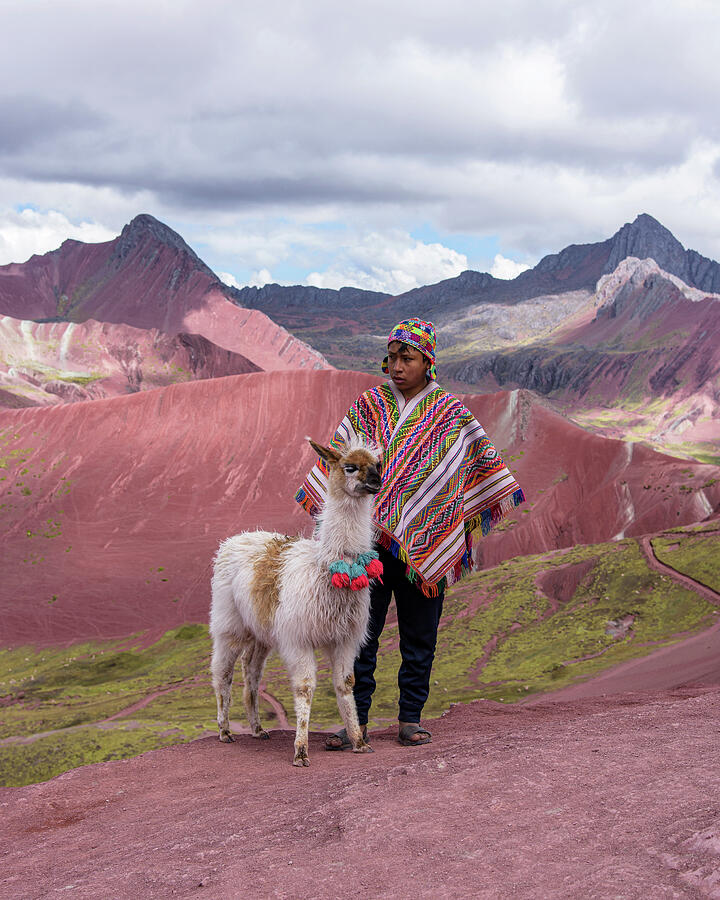
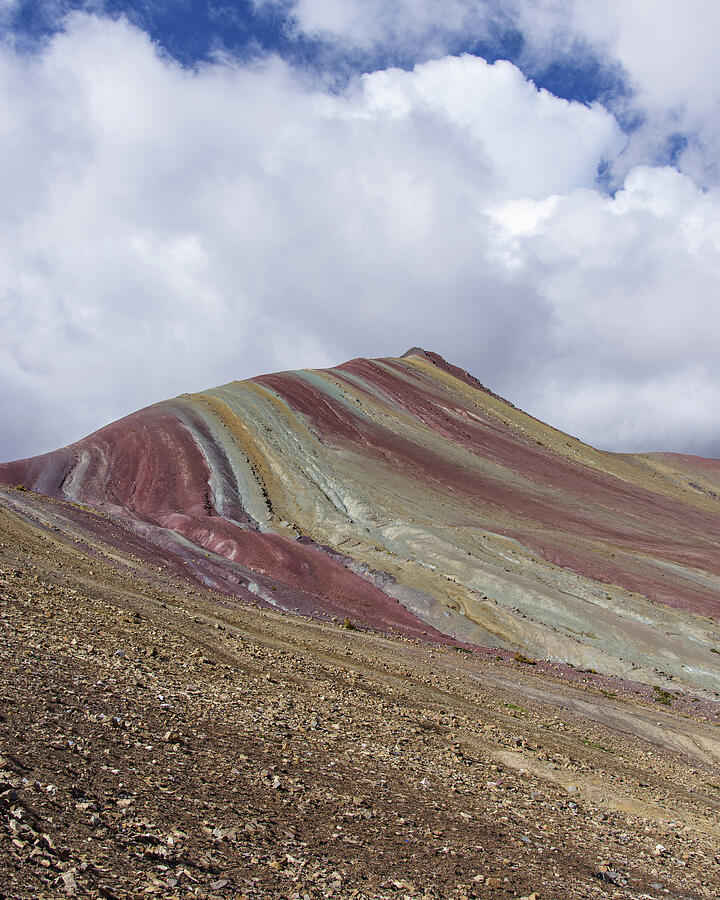
On day seven, I visited Rainbow Mountain before heading home. Its altitude and the beauty of the mountain made it especially memorable. Photo 17 captures a place that has a special place in my heart, but it was the Red Valley that gave me my favorite photograph of the trip.
That image is number 20 in the gallery: Peruvian Scene with Red Valley and Llama. It brings together the red landscape, a person, and a llama in a single frame. For me, it also holds the feeling of the end of the journey. After multiple days of trekking, everything I had done began to sink in.
I went to Peru for Machu Picchu, and it lived up to the reason I had chosen the trip. But the photographs remind me that the week was larger than that one destination: a mountain lake, the approach to a pass, ruins along the trail, and the colors of the Red Valley all became part of the story.
My itinerary at a glance
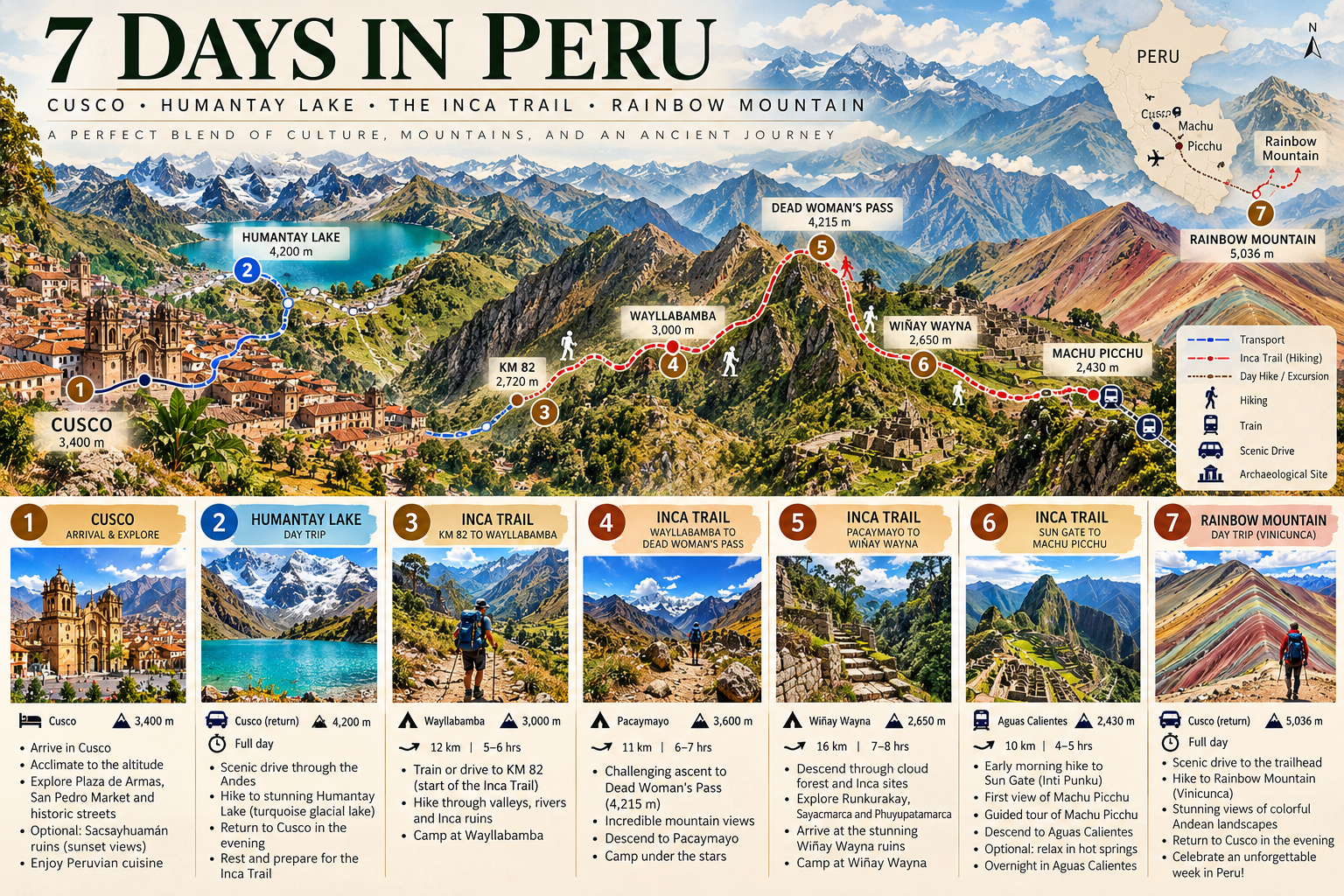
Day 1: historical ruins and an afternoon historical tour of Cusco. Day 2: a day trip to Humantay Lake from Cusco. Days 3–6: the four-day Inca Trail and Machu Picchu, crossing Dead Woman’s Pass on trip day 4. Day 7: Rainbow Mountain and the Red Valley, followed by the journey home.
Practical notes from this trip
This was a full seven-day itinerary, with a day trip before the trek and another outing before going home. Treat it as a record of my trip rather than a schedule everyone needs to copy. When planning your own version, check the exact route, day-trip timings, and departure connections with your operator, and leave room for the pace you want.
For photography, give the places between the headline destinations your attention. My favorites include an approach trail and ruins encountered during the trek, as well as the better-known mountain views. You do not have to wait until Machu Picchu to find a photograph that will matter to you later.
Keep the photographs that carry a memory, even when another image seems more dramatic. Numbers 1, 7, 16, 17, and 20 are my starting points for remembering this week. The Red Valley photograph is my favorite because of both what is in the frame and what that moment meant after the days that came before it.